Blog

  • 7-Day Budget Meal Plan for Type 2 Diabetes (Simple, Filling, and No “Special” Foods)

    This is a practical, low-cost week built around repeat ingredients, balanced meals (carb + protein + fiber/fat), and minimal cooking stress. Swap meals around as needed—consistency beats perfection.

    (General education only, not medical advice. If you take insulin or meds that can cause lows, check with your clinician about carb targets and adjustments.)


    How to Use This Plan

    • Pick a carb portion that fits you (your meter/CGM is your best guide).
    • If you’re still hungry, add more non-starchy veggies or protein first.
    • Use frozen veggies freely—they’re budget-friendly and make meals easier.

    Budget Grocery List (1 week, mix-and-match)

    Proteins

    • Eggs (18-count if possible)
    • Chicken thighs (or a whole chicken)
    • Canned tuna (3–5 cans)
    • Dry lentils or canned beans (black/pinto/kidney)
    • Plain Greek yogurt or cottage cheese (optional but helpful)

    Veggies

    • Frozen broccoli
    • Frozen mixed vegetables or cauliflower rice
    • Cabbage (1 head)
    • Onions (2–3)
    • Carrots (1 bag)
    • Spinach (fresh or frozen)

    Carbs

    • Old-fashioned oats
    • Brown rice or parboiled rice
    • Whole wheat tortillas or whole grain bread
    • Potatoes (optional, great value)

    Flavor + staples

    • Canned diced tomatoes (2–3)
    • Salsa
    • Peanut butter
    • Olive oil or any cooking oil
    • Soy sauce
    • Garlic powder, chili powder, cumin, pepper, salt (whatever you have)

    Optional “make it easier” add-ons

    • Shredded cheese
    • Lemons/limes
    • Frozen berries (for yogurt/oats)

    Quick Prep (60–90 minutes once, saves your week)

    1. Cook a pot of rice (enough for 4–5 servings).
    2. Hard-boil 6–8 eggs.
    3. Make one big pot of lentil/bean chili (recipe below).
    4. Chop cabbage + onions (or just slice as you go).
    5. Roast a tray of carrots + onions (optional, but they upgrade everything).

    Big-Batch Lentil/Bean Chili (cheap + blood sugar-friendly)

    • 1 onion, chopped
    • 2 cans diced tomatoes
    • 1–2 cans beans (or 1–1.5 cups cooked lentils)
    • Chili powder + cumin + garlic powder
    • Add frozen veg/spinach at the end if you want
      Simmer 20–30 minutes. That’s it.

    The 7-Day Plan

    Day 1

    Breakfast: Oats cooked with water + spoon of peanut butter + cinnamon
    Lunch: Chili bowl + side cabbage salad (cabbage + salsa + a little oil)
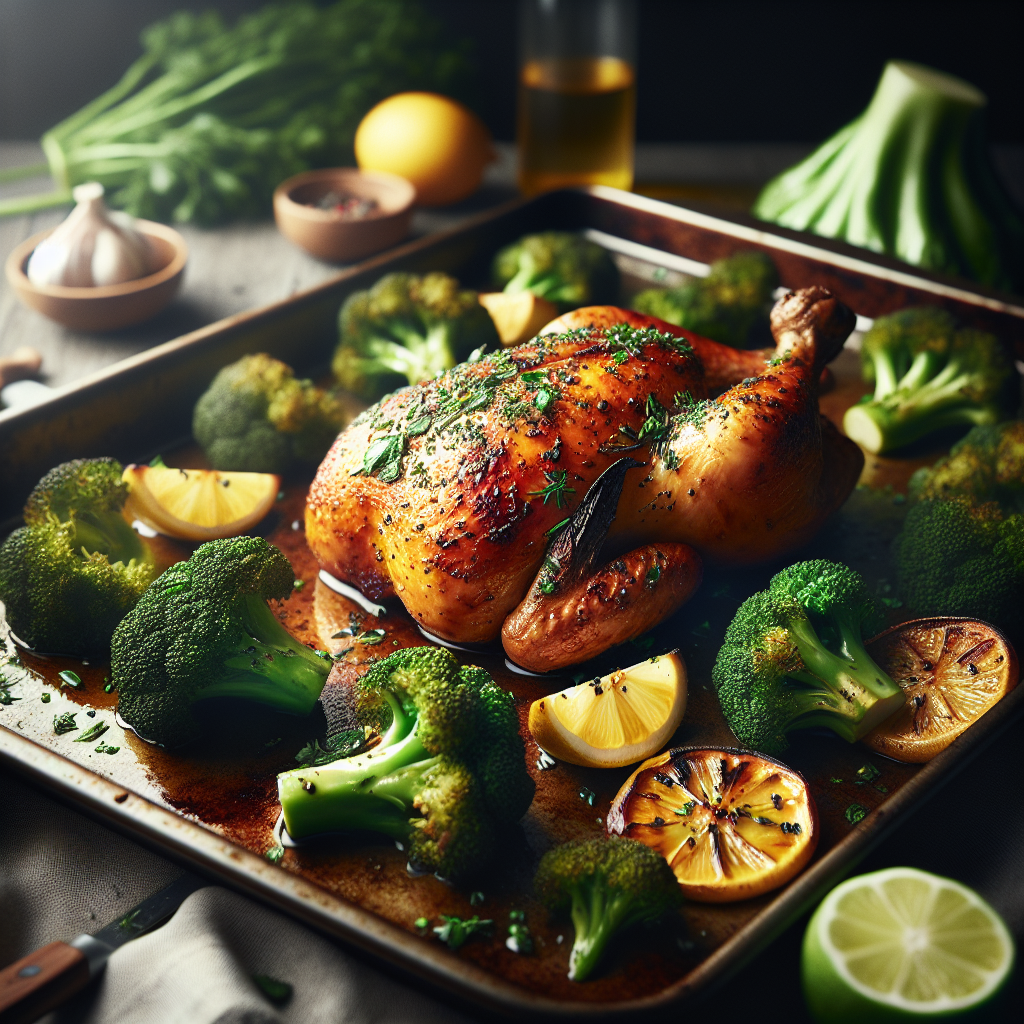
    Dinner: Sheet pan chicken thighs + frozen broccoli (roast or sauté) + small rice portion
    Snack (optional): Yogurt or 1 hard-boiled egg + carrot sticks

    Day 2

    Breakfast: Eggs + sautéed cabbage/onions (add salsa on top)
    Lunch: Tuna salad bowl (tuna + yogurt/mayo + spices) over cabbage + carrots
    Dinner: Stir-fry: frozen mixed veg + eggs (or chicken) + soy sauce over small rice portion
    Snack: Apple (or any fruit) + peanut butter

    Day 3

    Breakfast: Yogurt + cinnamon + (optional) a small handful of frozen berries
    Lunch: Leftover chicken + broccoli + rice (add salsa)
    Dinner: “Egg roll in a bowl” (cabbage + onions + protein + soy sauce/ginger if you have it)
    Snack: Cottage cheese or cheese + a few whole grain crackers (if using)

    Day 4

    Breakfast: Oats + peanut butter (repeat = cheaper + easier)
    Lunch: Chili in a tortilla (or with a small potato) + side spinach
    Dinner: Tuna melt bowl: tuna + veggies + sprinkle cheese (broil/microwave)
    Snack: Hard-boiled egg + fruit

    Day 5

    Breakfast: Eggs + spinach (scramble) + 1 slice whole grain toast (or small tortilla)
    Lunch: Leftover chili + extra frozen veg mixed in
    Dinner: Chicken + roasted carrots/onions + cabbage slaw
    Snack: Yogurt or peanuts/nuts (small handful)

    Day 6

    Breakfast: Yogurt bowl (or eggs—your choice)
    Lunch: Rice bowl: beans/lentils + frozen veg + salsa + optional cheese
    Dinner: Quick soup: diced tomatoes + frozen veg + leftover chicken (or beans)
    Snack: Carrots + hummus (if budget allows) or peanut butter spoon + celery/carrot

    Day 7

    Breakfast: Oats (or eggs)
    Lunch: Tuna cabbage bowls (use up cabbage + tuna)
    Dinner: “Clean-out-the-fridge” stir-fry: any leftover veg + eggs + soy sauce
    Snack: Whatever’s left that fits your plan (aim protein + fiber)


    Portion Tips (Without Counting Everything)

    • Start with ¼ plate carbs and adjust based on your readings.
    • If you spike after rice/tortillas/potatoes, try:
      • smaller portion, and/or
      • more veggies + protein, and/or
      • a 10-minute walk after meals.

    Make It Even Cheaper (and Easier)

    • Replace yogurt with more eggs if dairy is pricey.
    • Use dry beans/lentils instead of canned.
    • Buy one “hero” veggie (like cabbage) and use it in 4–5 meals.
    • Don’t chase “diabetic” or “keto” packaged snacks—real food wins.
    Buy me a coffee!

  • How to Eat for Blood Sugar Control on a Tight Budget (Without Living on Sad Salads)

    Groceries are expensive. And when you’re managing type 2 diabetes, it can feel like every “healthy” suggestion comes with a price tag and a side of guilt.

    Here’s the truth: blood sugar-friendly eating doesn’t require fancy snacks, specialty products, or a fridge full of organic everything. What you need is a simple system that helps you build satisfying meals from low-cost basics—so your numbers (and your wallet) don’t get wrecked.

    (This is general education, not medical advice. Always follow your clinician’s guidance for your needs.)


    The Budget + Blood Sugar “Golden Rule”

    When money is tight, the goal isn’t perfection—it’s repeatable meals that are:

    1. Filling (so you’re not raiding the pantry later)
    2. Balanced (carbs + protein + fiber/fat)
    3. Simple (so you’ll actually make them)

    If you can hit those three, you’ll usually get steadier blood sugar and fewer impulse buys.


    The “Cheap Plate” Formula (Use This on Repeat)

    Build most meals like this:

    • ½ plate: non-starchy veggies
    • ¼ plate: protein
    • ¼ plate: carbs (choose higher-fiber when you can)
    • + 1 thumb: healthy fat (optional but helpful)

    You don’t need to measure. Just aim for the shape of the meal.

    Budget-friendly picks in each category

    Protein (best bang for buck):

    • eggs
    • canned tuna/salmon/sardines
    • chicken thighs or whole chicken
    • ground turkey (watch sales)
    • tofu or tempeh
    • dry or canned beans/lentils (even “half-and-half” with meat works great)
    • plain Greek yogurt, cottage cheese

    Veggies (cheap + easy):

    • frozen mixed veggies, broccoli, cauliflower rice
    • cabbage (underrated and lasts forever)
    • carrots, onions, celery
    • spinach (fresh or frozen)
    • canned tomatoes (low sodium if possible)

    Carbs (diabetes-friendly + affordable):

    • oats
    • brown rice or parboiled rice (portion matters)
    • whole wheat tortillas
    • potatoes (yes, you can eat them—pair + portion)
    • beans/lentils (double duty: carb + fiber + protein)
    • store-brand whole grain bread (compare fiber)

    Fats (optional, but helpful for satiety):

    • peanut butter
    • olive oil (even a small bottle lasts)
    • sunflower seeds or walnuts (buy small if needed)
    • avocado when on sale

    The “3 Meals from 1 Grocery Run” Plan

    If you buy just a few core items, you can make multiple meals without waste:

    Core basket example:

    • eggs
    • frozen broccoli
    • cabbage
    • canned tuna
    • beans (or lentils)
    • rice or tortillas
    • plain yogurt (optional)
    • salsa (optional but adds flavor fast)

    Then rotate:

    1. Egg + veggie scramble (broccoli/onion/cabbage) + salsa
    2. Tuna cabbage bowls (cabbage + tuna + yogurt or mayo + seasoning)
    3. Bean + veggie stir-fry over a small scoop of rice or wrapped in a tortilla

    Not fancy. Very effective.


    10 “Budget BFF” Swaps That Help Blood Sugar

    These are not “never eat X again.” They’re simple switches that often reduce spikes.

    1. Sugary yogurt → plain yogurt + cinnamon + berries (even frozen)
    2. Chips → popcorn + peanuts or roasted chickpeas
    3. Big bowl of pasta → half pasta + extra veggies + protein
    4. Juice → water + flavor (lemon, tea, sparkling)
    5. Cereal breakfast → oats + peanut butter or eggs + toast
    6. Crackers-only snack → crackers + tuna/cheese
    7. White rice mountain → smaller rice + beans + veggies
    8. “Low-fat” snacks → higher protein/fiber snacks (more filling)
    9. Takeout habit → sheet pan meals (protein + frozen veg + seasoning)
    10. “I’m too tired to cook” → frozen veg + eggs (fastest real meal)

    How to Shop Sales Without Getting Tricked

    A sale is only a deal if you’ll use it.

    Look for:

    • protein markdowns you can freeze (chicken, ground meat)
    • buy-one-get-one frozen veggies
    • dry beans/lentils in bulk bags
    • store-brand staples with better nutrition (compare labels)

    Skip (usually):

    • “keto” or “diabetic” branded snacks (often pricey and not necessary)
    • single-serve packs (cost more per ounce)
    • random produce you won’t cook before it spoils

    The “Two-Ingredient Snack” Rule

    Snacks can be where budgets—and blood sugar—go sideways.

    Try this simple rule:
    Carb + protein/fat (or protein + fiber)

    Examples:

    • apple + peanut butter
    • yogurt + cinnamon
    • carrots + hummus
    • cheese + whole grain crackers
    • nuts + fruit
    • hard-boiled eggs + a small piece of fruit

    These keep you full longer and reduce the “snack spiral.”


    5 Cheap Dinner Ideas That Don’t Feel Like Punishment

    1. Egg roll in a bowl: ground turkey + cabbage + soy sauce/ginger (over cauliflower rice if you want)
    2. Bean chili: beans + canned tomatoes + onion + spices (add ground meat if budget allows)
    3. Sheet pan chicken + frozen veg: season hard, roast hot
    4. Tuna melt bowl: tuna + veggies + a little cheese (broil)
    5. Stir-fry “whatever’s left”: frozen veg + eggs or tofu + a small scoop of rice

    A New Category Suggestion for DiabeticsBFF: “Real Life & Mindset”

    You already have a strong foundation with blood sugar control, budgeting, and recipes. A fourth category that fits your vibe and helps readers stick with changes is:

    Real Life & Mindset (or “Habits & Motivation”)

    • handling cravings without shame
    • what to do after a high reading (no spiral)
    • sleep/stress routines that help insulin resistance
    • simple habit stacking for consistency

    It’s the glue that makes the other three categories work.


    Mini Challenge: $25 “Blood Sugar Basket”

    On your next trip, try building a basket with:

    • 1 protein (eggs or canned tuna)
    • 1 frozen veggie
    • 1 hardy veggie (cabbage/carrots/onions)
    • 1 carb base (oats/rice/tortillas)
    • 1 bean/lentil option

    Then make three meals from it before buying anything extra. Your goal is not gourmet—your goal is repeatable.

    Buy me a coffee!

  • Your Guide to a Smoother Blood Sugar Day (Without Perfection)

    If you live with diabetes, you already know the truth: blood sugar doesn’t always “make sense.” You can eat the same breakfast, take the same meds, do the same morning routine—and get a totally different number. That’s not you failing. That’s diabetes doing diabetes things.

    So today’s post is your friendly, practical “BFF” reset: a handful of small moves that can make your days feel steadier—without chasing perfection or spiraling over a single reading.

    (Quick note: This is general education, not medical advice. Always follow your clinician’s guidance for your personal plan.)


    1) Start with the goal: fewer surprises, not “perfect numbers”

    A lot of us were taught to think in terms of “good” vs. “bad” blood sugars. But that mindset is exhausting and honestly not that helpful.

    A more sustainable goal is:
    What helps me have fewer big swings and fewer stressful surprises?

    That might look like:

    • fewer rollercoasters after meals
    • fewer lows from stacking insulin or skipping snacks
    • fewer “why is this happening??” moments when you’re already having a day

    Progress is calmer. Not perfect.


    2) The “3-part plate” that plays nice with glucose

    If you want one simple food framework that works for a lot of people (Type 1, Type 2, LADA, gestational, prediabetes), it’s this:

    Carbs + protein + fiber/fat = slower rise + more stable energy

    Examples:

    • Toast → add eggs + avocado or nut butter
    • Oatmeal → add Greek yogurt + chia/flax + berries
    • Rice → add chicken/tofu + veggies + olive oil/guac
    • Fruit → pair with cheese, nuts, or yogurt

    This isn’t about “carbs are bad.” It’s about giving carbs some supportive friends so they don’t show up to your bloodstream party alone and loud.


    3) The 10-minute “blood sugar walk” (aka the easiest hack ever)

    If you’re able, a short, easy walk after eating can be magic. Not power-walking. Not punishment. Just movement.

    Try:

    • 10 minutes after your biggest meal
    • pacing the house during a show
    • walking the dog “one more block”
    • doing dishes + light tidying (yes, it counts)

    Movement helps your muscles use glucose more efficiently, which can reduce that post-meal spike. And bonus: it can also lower stress, which… yep… affects glucose too.


    4) A “low plan” you can follow even when your brain is mush

    Lows are scary. And when you’re low, your brain is not in “decision-making” mode. That’s why a simple plan is everything.

    Consider setting yourself up with:

    • a consistent fast-acting option you tolerate well (glucose tabs, juice box, regular soda, gummies—whatever works for you)
    • a “follow-up” snack if you tend to drop again (protein + carb combo)
    • supplies in multiple spots: bedside, bag, car, work

    If you use insulin, it’s also worth knowing whether you’re treating a low or treating a low + insulin on board + active day. Different situations = different rebound risk.

    (If you want, I can write a separate “Low Toolkit” post for your site with specific examples and a printable checklist.)


    5) Stress is not “in your head”—it’s in your hormones

    If your glucose climbs on stressful days even when you “did everything right,” you’re not imagining it. Stress hormones can raise blood sugar, increase insulin resistance, mess with digestion, and disrupt sleep. It’s a whole cascade.

    A few “BFF-level” stress reducers that don’t require a personality transplant:

    • 2 minutes of slower breathing (inhale 4, exhale 6)
    • a tiny snack if you’re hangry (hanger stress is real)
    • a glass of water and a quick check-in: “Do I need food, movement, insulin/meds, or rest?”
    • a short “reset” routine you do daily (music + shower, tea + journaling, stretching)

    You don’t need to be zen. You just need a couple tools that pull you back from the edge.


    6) Sleep: the unglamorous glucose lever

    Bad sleep can increase insulin resistance and hunger hormones. So if you’re struggling, it’s not just “willpower.” Your body is literally playing on hard mode.

    Try one of these this week:

    • keep a consistent wake-up time (even on weekends, within reason)
    • stop caffeine earlier than you think you need to
    • dim lights 1 hour before bed
    • keep a low treatment by the bed to reduce nighttime anxiety
    • if nighttime highs/lows are common, track patterns and discuss adjustments with your clinician

    Sleep won’t fix everything, but it’s one of the highest-impact “invisible” factors.


    7) The “data without drama” rule

    Glucose data is information—not a grade.

    If you use fingersticks or CGM, try reframing like this:

    Instead of:
    “Ugh, I’m high. I messed up.”

    Try:
    “My body is asking for something. What’s the most likely reason?”

    Common reasons (that are not moral failures):

    • underestimated carbs or overestimated insulin
    • delayed digestion (fat/protein heavy meals)
    • stress
    • illness/inflammation
    • hormonal shifts
    • infusion site issues / insulin absorption differences
    • sleep changes
    • a more intense workout than usual (or none at all)

    If you can approach patterns with curiosity, you’ll make better adjustments and feel better emotionally.


    A mini challenge for the week (simple, doable, helpful)

    Pick ONE of these for 7 days:

    1. Add a protein buddy to one carb-heavy meal
    2. Walk/move 10 minutes after one meal per day
    3. Hydration check: drink water first thing in the morning
    4. Low kit upgrade: stash fast carbs in two extra places
    5. Sleep support: same wake-up time all week

    Then notice: fewer swings? fewer cravings? fewer “what is happening” moments? That’s the win.


    Your BFF reminder (please read this twice)

    You are not your A1C.
    You are not your CGM graph.
    You are not your “bad day” numbers.

    You are someone managing a complex condition in a world that does not make it easy. And every small, supportive habit you build is proof you’re showing up for yourself.

    Buy me a coffee!

  • The Dawn Phenomenon: Why Mornings Spike (and How to Tame It)

    If your blood sugar tends to wake up grumpy even when you didn’t snack late, hi—meet the dawn phenomenon. It’s super common, and it doesn’t mean you did anything wrong. Let’s unpack what’s going on (in plain English) and build a simple morning routine that helps.

    Quick note: I’m not your doctor—use this as friendly education and always personalize with your meter/CGM and care team.


    What is the dawn phenomenon, exactly?

    Think of it as your body’s “alarm clock” hormones doing their job a little too enthusiastically. In the early morning hours, hormones like cortisol and growth hormone nudge your liver to release glucose so you have energy to start the day. If you’re insulin resistant (very common), that glucose can hang out in your bloodstream longer—so you see a higher number first thing.

    “Is this the same as the Somogyi effect?”

    Not quite. The Somogyi effect is a rebound high after an overnight low. Dawn phenomenon is a steady climb without a preceding low. If you’re unsure, a CGM or a 3 a.m. fingerstick on a couple nights can help you tell them apart.


    The 10–20 Minute Morning Routine (easy wins)

    You don’t have to overhaul your life. Stack these tiny steps and watch your curve soften.

    1. Hydrate first.
      Big glass of water (add a squeeze of lemon if you like). You’ve been fasting for hours; fluids help.
    2. Light movement (5–10 min).
      Walk around the house, march in place, a few squats, gentle stretches. Muscles are glucose sponges.
    3. Protein-first breakfast.
      Eat something with protein in the first hour you’re up—even 15–25g helps. Ideas below.
    4. Order of eating matters.
      If you’re having any carbs, do this order: veggies → protein/fat → carbs. Sounds silly; works often.
    5. Coffee timing.
      Enjoy your coffee with or after protein, not on an empty stomach. A simple shift that helps many people.
    6. Vinegar option.
      1–2 teaspoons apple cider vinegar in water with breakfast (if your stomach tolerates it). Optional, but an easy experiment.
    7. Mini walk after eating (5–10 min).
      Lap the block or pace the hallway. Tiny, consistent, surprisingly powerful.

    Pick 3 to start: water, 5-minute move, protein-first. Consistency beats perfection.


    Fast, Protein-First Breakfasts (5 ideas)

    • Eggs any style + greens (handful of spinach in the pan) + a little cheese.
    • Greek yogurt bowl (¾–1 cup) with cinnamon + a few walnuts or PB (measured).
    • Cottage cheese plate with cucumber, tomato, olive oil, salt & pepper.
    • Leftover chicken (yes, breakfast!) rolled in a low-carb wrap or over sautéed veggies.
    • Protein shake (no-added-sugar) + a side of scrambled eggs or turkey sausage.

    Goal: ~20–35g protein, minimal sugar, non-starchy veg where you can fit them.


    Evening Levers (set up tomorrow’s win)

    • Dinner timing: Try finishing dinner 2–3 hours before bed.
    • Protein anchor: Include a solid protein at dinner; it often steadies the overnight curve.
    • 10-minute after-dinner walk: Think “mailbox to corner and back.”
    • Sleep basics: Dark room, cool temp, regular bedtime. Poor sleep can nudge hormones toward higher AM readings.
    • Late-night snacks: If you need one, go protein + fat (e.g., a HB egg or a little cottage cheese), not carb-y.

    Mini Tracking Template (copy/paste into your notes)

    Week of: __________

    DayWake BGBreakfast (protein grams)Steps done (Y/N)2-hr post-breakfast BGWhat helped?
    Mon
    Tue
    Wed
    Thu
    Fri
    Sat
    Sun

    Two tips: (1) Change just one thing at a time for 2–3 days. (2) High one day? That’s data—not a disaster.


    Troubleshooting: “I tried this and I’m still high.”

    • Check the night before. Did dinner sneak in more carbs than you thought? Sauces and “healthy” breads can surprise you.
    • Push protein higher at breakfast. Many people under-shoot; try 30–35g and reassess.
    • Walk twice. A quick stroll before breakfast and again after can help.
    • Medication timing. If you use medications, ask your clinician whether timing adjustments make sense.
    • Stress check. Big day? Cortisol can raise BG. Add an easy de-stressor (box breathing: 4–4–4–4) right after you wake.

    FAQs

    Do I have to eat breakfast?
    Not necessarily, but if you’re battling high morning numbers, a small, protein-first breakfast often beats skipping.

    What’s a “good” morning target?
    It’s personal. Many folks aim to be back near their usual baseline within 2 hours of breakfast. Let your meter/CGM and clinician guide you.

    Is black coffee off limits?
    Nope—just try it with protein instead of on an empty stomach and see how your numbers respond.

    Can vinegar upset my stomach?
    It can for some. Start small, dilute well, or skip it—movement and protein-first already give you a big win.


    Quick Start Checklist (print this!)

    • Water on waking
    • 5–10 min light movement
    • Protein-first breakfast (20–35g)
    • If carbs: veggies → protein/fat → carbs
    • Coffee with/after food
    • Optional: 1–2 tsp ACV in water
    • 5–10 min walk after eating

    Buy me a coffee!

  • Low-Carb Breads & Tortillas That Don’t Spike (CGM-Friendly Guide)

    If bread and tortillas are your “deal-breaker” foods, this guide is for you. Below you’ll find how to self-test with a meter/CGM, plus brand picks (with label facts) that many readers find friendlier—and a few to approach cautiously. Everyone’s glucose response is personal; use the testing protocol below and keep notes.


    How We Test With a Meter/CGM (10-step mini-protocol)

    1. Fast baseline: 3+ hours after last meal; record starting BG.
    2. Eat the test food alone (or with just water): standard serving from the label.
    3. No other variables (no coffee, supplements, or vigorous activity 60 min before).
    4. Timer: record BG at 30, 60, 90, 120 minutes.
    5. Target: a “gentle” curve is typically ≤30–40 mg/dL rise that returns toward baseline by 2 hours.
    6. Repeat on a different day to confirm.
    7. Real-life retest: pair the bread/tortilla with protein/veg first (eat them before the wrap/slice) and compare. Many studies show order-of-eating helps blunt spikes. WCM Newsroom+2PMC+2
    8. Try vinegar (1–2 tsp in water with a meal) on another day—some research suggests a modest post-meal benefit. PubMed+1
    9. Walk 10 minutes immediately after—evidence suggests a meaningful drop in peak glucose. PubMed+1
    10. Log results and choose what you can enjoy with the best numbers.

    Tip: “Net zero” on a label doesn’t guarantee a flat glucose curve—fiber type, sweeteners, wheat gluten, and portion size all matter.


    Winners (good label math, often meter-friendly—still test!)

    Mission Carb Balance Flour Tortillas (Soft-Taco)

    Why people like it: Reliable texture, fiber-heavy, widely available.
    Label snapshot (per tortilla): ~2–4g net carbs, ~70–110 kcal (varies by size). Mission Foods+2Winn Dixie+2
    How to use: Breakfast tacos, fajita bowls, quesadillas (protein-first).

    La Banderita Carb Counter Tortillas

    Why people like it: Similar to Mission; some lines now show 2g net or even zero-net variants—check package.
    Label snapshot (soft taco): ~4g net carbs, ~60 kcal; high fiber. H-E-B | Here Everything’s Better+2Walmart.com+2
    How to use: Turkey-cabbage skillet wraps; tostadas crisped in air fryer.

    Egglife Egg-White Wraps (grain-free)

    Why people like it: Almost no carbs and higher protein; totally different ingredient base.
    Label snapshot (2-wrap serving): ~1g carbs, ~11g protein, ~50 kcal. Fairway Market+2Haggen+2
    How to use: Breakfast burritos, deli roll-ups; warm briefly for best texture.

    Joseph’s Flax-Oat-Bran Whole-Wheat Lavash/Wraps

    Why people like it: Thin, flexible; moderate net carbs with added fiber.
    Label snapshot: 6–8g net carbs per serving, 60–80 kcal (product line varies). Joseph’s Bakery+1
    How to use: Pizza-style flatbread with cheese + veg; gyro wraps (protein-first).


    “Proceed With Caution” (popular, but responses vary—test yours)

    Aldi L’Oven Fresh “Zero Net Carb” Bread

    Label snapshot (per slice): 0g net carbs, 9g fiber, 5g protein. ALDI USA
    Why cautious: “Zero net” loaves can still spike some folks; test solo, then with protein-first.

    Hero Bread (Sliced, Seeded; Tortillas)

    Label snapshot: 0–1g net carbs/slice, 5–7g protein, high fiber; tortillas ~1g net. Hero Bread+1
    Why cautious: Ultra-high fiber formulas vary by person. Try a half-sandwich first.

    Cut Da Carb Flatbread

    Label snapshot: about 9g net carbs, ~80–100 kcal per sheet (brand claims; check your package). Cut Da Carb+2Nutritionix+2
    Why cautious: Big surface area → easy to overfill; test with simple fillings.


    Why “net carbs” isn’t the whole story (30-second science)

    • Fiber type & sweeteners (e.g., inulin/chicory, allulose, polyols) shift absorption speed; your gut may handle them differently.
    • Protein/veg first meaningfully blunts spikes for many people. WCM Newsroom+1
    • Vinegar can modestly flatten curves; post-meal walking helps reduce peak glucose. PubMed+1

    How to Eat Bread With Fewer Spikes (real-world playbook)

    1. Protein start: 3–4 oz turkey/chicken or 2 eggs before the bread. WCM Newsroom
    2. Add low-carb bulk: lettuce, slaw, cucumbers, peppers.
    3. Sauces: go mayo, mustard, pesto; skip sugary BBQ/ketchup.
    4. Vinegar + walk: 1–2 tsp ACV in water with meal; 10-minute walk after. PubMed+1
    5. Portion test: start with half a lavash/tortilla or one slice loaf; scale up only if the curve stays gentle.

    Download the Brand Matrix (PDF)

    Want the printable comparison (net carbs, fiber, protein, calories, serving sizes, and a fill-in CGM log)? I can generate a one-page Brand Matrix + Test Log for your kitchen binder and link it here as a PDF.


    FAQs

    “Do zero-net-carb breads really have zero impact?”
    Sometimes yes, sometimes no—depends on you, the fiber type, and what else you eat with it. That’s why the self-test is key.

    “What’s a reasonable spike threshold?”
    Many readers aim for ≤30–40 mg/dL rise with a return toward baseline by ~2 hours; work with your clinician for personal targets.

    “Is whole-grain ‘regular’ bread ever OK?”
    If your meter says it’s OK in a protein-first sandwich (and the portion is small), it can fit. But low-carb options above make it easier.


    Sources (labels & research)

    Buy me a coffee!

  • 7-Day Budget Low-Carb Meal Plan Under $75

    A complete, diabetes-friendly plan with a tight grocery list, 90-minute Sunday prep, and day-by-day menus (breakfast/lunch/dinner + 1 snack). Macros are per serving and net carbs = total carbs − fiber. Use your meter/CGM to personalize—everyone responds a little differently.

    The Rules (So This Stays Low-Carb & Cheap)

    1. Protein first each meal (eggs, chicken, turkey, tuna, cottage cheese, Greek yogurt).
    2. Non-starchy veg fill the plate (cauli rice, leafy greens, broccoli, zucchini, peppers).
    3. Smart fats for staying power (olive/avocado oil, cheese, nuts in measured amounts).
    4. Batch once on Sunday → reheat all week.

    Target per day: ~1,600–1,900 kcal, 90–140g protein, ≤50g net carbs (most days 25–45g).


    The $75 Grocery List (1 person, 7 days)

    Protein

    • Chicken thighs, bone-in/skin-on, ~6 lb — $14–16
    • Ground turkey, 93% lean, 2 lb — $7–9
    • Eggs, 2 dozen — $5–7
    • Canned tuna, 4 cans — $3.50–5
    • Cottage cheese, 24 oz — $3–4
    • Plain Greek yogurt, 32 oz (2% or whole) — $3.50–5
    • Cheddar or Jack, 2 lb block — $7–9

    Veg & Fruit (low-carb)

    • Frozen riced cauliflower, four 12-oz bags — $8–10
    • Broccoli, 3 lb (fresh or frozen florets) — $4–6
    • Zucchini, ~6 medium — $4–5
    • Bell peppers, 4 — $3–4
    • Spinach, two 8–10 oz bags — $4–6
    • Green cabbage, 1 head — $2–3
    • Onions, 3 lb — $2–3
    • Lemons, 2 — $1–2
    • Avocados, 3 (optional but useful) — $3–5

    Pantry & Add-Ons

    • Coconut aminos (or soy sauce if tolerated), small bottle — $3–5
    • Low-sugar salsa verde or red salsa, 16 oz — $2–3
    • Canned diced green chiles, 2 cans — $2
    • Crushed tomatoes/tomato sauce, 1 large can — $1–2
    • Peanut butter or almonds (optional snack), 12–16 oz — $2–5

    Estimated total: $66–$75 (depending on store/brands).
    Pantry staples assumed: salt, pepper, garlic powder, onion powder, paprika, cumin, Italian seasoning, chili powder, olive/avocado oil, vinegar.


    90-Minute Sunday Batch-Prep

    Goal: cook proteins, roast veg, build two sauces, and pre-portion.

    1. Oven to 425°F.
    • Roast chicken thighs (6 lb) on two sheet pans. Season with salt/pepper/garlic powder/paprika, drizzle oil. Roast 35–40 min to 175°F+. Cool; pull meat from bones (keep some skin for crispy bits). Box into 4–5 containers.
    1. Roast veg while chicken cooks:
    • Pan 1: broccoli florets (1.5 lb) + oil + salt. 18–22 min.
    • Pan 2: zucchini & peppers (sliced) + oil + Italian seasoning. 15–18 min.
      Cool and containerize.
    1. Skillet batch: turkey taco mix
    • 2 lb ground turkey + onion + chili powder, cumin, paprika, salt. Add 1 can diced chiles + 1 cup crushed tomatoes; simmer 5–7 min. Portion into 4 boxes.
    1. Quick stove items:
    • Hard-boil 10 eggs (cover with cold water, boil 9–10 min; ice bath).
    • Cauli rice: microwave 2 bags now (keep 2 for midweek). Season with salt/pepper; a splash of vinegar helps.
    • Two sauces:
      • Yogurt ranch: Greek yogurt + garlic powder + dill + lemon + salt.
      • “Teriyaki-ish”: ½ cup coconut aminos + 1 tbsp vinegar + ginger/garlic powder; simmer 2–3 min to thicken slightly.
    1. Cold preps:
    • Tuna salad base: 2 cans tuna + ¼ cup yogurt + mustard + dill + chopped pickle/onion if you like.
    • Cabbage crunch (slaw): ½ head thin-shredded + vinegar + pinch salt; no sugar.

    Label everything with day/meal. Done.


    Day-by-Day Menu (B/L/D + Snack)

    Day 1 (Mon)

    • B: Cottage cheese bowl (1 cup) + sliced cucumber + olive oil + pepper.
      ~7g net | 28g P | 9g F | 250 kcal
    • L: Turkey taco bowl: 1 portion turkey mix + 1 cup cauli rice + salsa + chopped lettuce.
      ~10g net | 35g P | 14g F | 360 kcal
    • D: Roast chicken (6 oz) + roasted broccoli (1.5 cups) + lemon butter drizzle.
      ~8g net | 45g P | 20g F | 420 kcal
    • Snack: 2 hard-boiled eggs + 10 almonds.
      ~2g net | 14g P | 12g F | 180 kcal
      Day total: ~27g net | 122g P | ~870–1,000 kcal (add oil/cheese to reach your calorie target)

    Day 2 (Tue)

    • B: 3-egg scramble with spinach + cheddar (1 oz).
      ~4g net | 27g P | 22g F | 320 kcal
    • L: Tuna salad lettuce wraps (½ tuna mix) + sliced pepper strips.
      ~5g net | 24g P | 10g F | 250 kcal
    • D: Chicken “teriyaki-ish” skillet: 6 oz chicken + sauce + 1 cup cauli rice + sesame sprinkle.
      ~10g net | 42g P | 15g F | 360 kcal
    • Snack: Greek yogurt (¾ cup) + 1 tbsp peanut butter.
      ~8g net | 20g P | 12g F | 260 kcal
      Total: ~27g net | 113g P | ~1,190 kcal

    Day 3 (Wed)

    • B: Yogurt ranch veggie bowl: Greek yogurt (1 cup) + roasted zucchini/pep mix (¾ cup) + ranch drizzle.
      ~8g net | 25g P | 8g F | 220 kcal
    • L: Turkey taco bowl repeat (add 1 oz cheese).
      ~11g net | 38g P | 22g F | 420 kcal
    • D: Lemon-garlic chicken (6 oz) + sautéed spinach (2 cups) + ½ avocado.
      ~7g net | 47g P | 28g F | 470 kcal
    • Snack: 2 hard-boiled eggs.
      ~1g net | 12g P | 10g F | 150 kcal
      Total: ~27g net | 122g P | ~1,260 kcal

    Day 4 (Thu)

    • B: Egg & cheese “muffin pan” (reheat): 2 pieces (from extra Wed scramble baked in cups, or make fresh).
      ~2g net | 18g P | 14g F | 220 kcal
    • L: Chicken & broccoli Alfredo-ish: 5 oz chicken + 1 cup broccoli + 2 tbsp cream/cheese sauce.
      ~8g net | 39g P | 22g F | 380 kcal
    • D: Turkey cabbage stir-fry: 1 portion turkey + shredded cabbage (2 cups) + coconut aminos splash.
      ~10g net | 33g P | 14g F | 330 kcal
    • Snack: Cottage cheese (½ cup) + a few cherry tomatoes (or cucumber).
      ~4g net | 13g P | 5g F | 120 kcal
      Total: ~24g net | 103g P | ~1,050 kcal

    Day 5 (Fri)

    • B: Greek yogurt (1 cup) + 1 tbsp PB + cinnamon.
      ~9g net | 26g P | 12g F | 260 kcal
    • L: Chicken fajita salad: 5 oz chicken + roasted peppers/onions + lettuce + ranch.
      ~8g net | 40g P | 20g F | 380 kcal
    • D: “Pizza bowl”: turkey mix + 1 oz cheese + olives (if on hand) + roasted zucchini.
      ~10g net | 35g P | 18g F | 360 kcal
    • Snack: 2 HB eggs + pickle.
      ~1g net | 12g P | 10g F | 150 kcal
      Total: ~28g net | 113g P | ~1,150 kcal

    Day 6 (Sat)

    • B: 3-egg omelet with spinach + cheddar (1 oz).
      ~3g net | 27g P | 22g F | 320 kcal
    • L: Tuna “power slaw”: ½ tuna mix + cabbage crunch (1.5 cups) + lemon.
      ~6g net | 28g P | 9g F | 230 kcal
    • D: Crispy chicken reheat (skin in air fryer) + cauli rice (1 cup) + broccoli (1 cup).
      ~10g net | 45g P | 20g F | 420 kcal
    • Snack: Cottage cheese (¾ cup).
      ~5g net | 19g P | 6g F | 160 kcal
      Total: ~24g net | 119g P | ~1,130 kcal

    Day 7 (Sun)

    • B: Yogurt ranch veggie bowl (repeat) + ½ avocado.
      ~9g net | 25g P | 20g F | 320 kcal
    • L: Chicken “teriyaki-ish” bowl (repeat) + extra spinach.
      ~9g net | 42g P | 15g F | 350 kcal
    • D: Turkey stuffed peppers: fill 2 pepper halves with remaining turkey + cheese; bake 375°F 18–20 min.
      ~10g net | 36g P | 17g F | 360 kcal
    • Snack: HB egg + 1 tbsp PB (separate!).
      ~3g net | 13g P | 11g F | 170 kcal
      Total: ~31g net | 116g P | ~1,200 kcal

    Need more calories? Add 1–2 tbsp olive/avocado oil at meals, an extra ounce of cheese, or ½ avocado.
    Need fewer calories? Trim oils/cheese portions first and keep protein steady.


    Simple Recipes & Sauces (quick references)

    Yogurt Ranch (makes ~6 servings)
    1½ cups Greek yogurt, 1 tsp garlic powder, 1 tsp dried dill, 1 tsp onion powder, ½ lemon (juice), salt/pepper to taste. ~1g net per 2 tbsp.

    “Teriyaki-ish” Glaze
    ½ cup coconut aminos, 1 tbsp apple cider vinegar, ½ tsp each garlic/ginger powder. Simmer 2–3 min to thicken. ~3g net per 2 tbsp.

    Turkey Taco Mix
    Brown 2 lb turkey with 1 chopped onion; add 1 tbsp chili powder, 1 tsp cumin, 1 tsp paprika, salt; stir in 1 can diced green chiles + 1 cup crushed tomatoes; simmer 5–7 min. Portion into 4.


    Swaps & Adjustments

    • Dairy-free: use mayo or mashed avocado instead of yogurt/cottage cheese; swap cheese for olives/extra chicken skin.
    • Higher protein: add 3–4 oz chicken to dinners or ½ can tuna to lunches.
    • Lower sodium: go light on coconut aminos/cheese; use herbs, lemon, vinegar.
    • GLP-1 appetite: keep protein high, shrink fats first; sip electrolytes to avoid lightheadedness.

    Money-Saving Tips

    • Buy family packs (chicken, turkey) and freeze extras flat in bags.
    • Use frozen veg for broccoli/cauli to cut cost/waste.
    • Grate block cheese—cheaper and melts better.
    • Plan leftovers for lunches; repeat bowls are your friend.

    Buy me a coffee!

  • 25 Diabetic-Friendly Chicken Dinners (With Net Carbs & Macros)

    Quick note on numbers: Macros are per serving for 4 servings unless noted. Net carbs = total carbs − fiber. We keep sauces unsweetened/low-sugar, use non-starchy veggies, and avoid breaded sides. Consider your meter/CGM your final say—these are practical estimates, not medical advice.


    1) Sheet-Pan Lemon-Herb Chicken & Broccoli

    Why it works: One pan, bright acid, steady protein.
    Ingredients: Chicken thighs, broccoli florets, olive oil, lemon juice + zest, garlic, dried oregano, salt/pepper.
    Steps: Toss; roast 425°F 22–25 min; finish with extra lemon.
    Macros: 5g net carbs • 34g protein • 20g fat • ~360 kcal

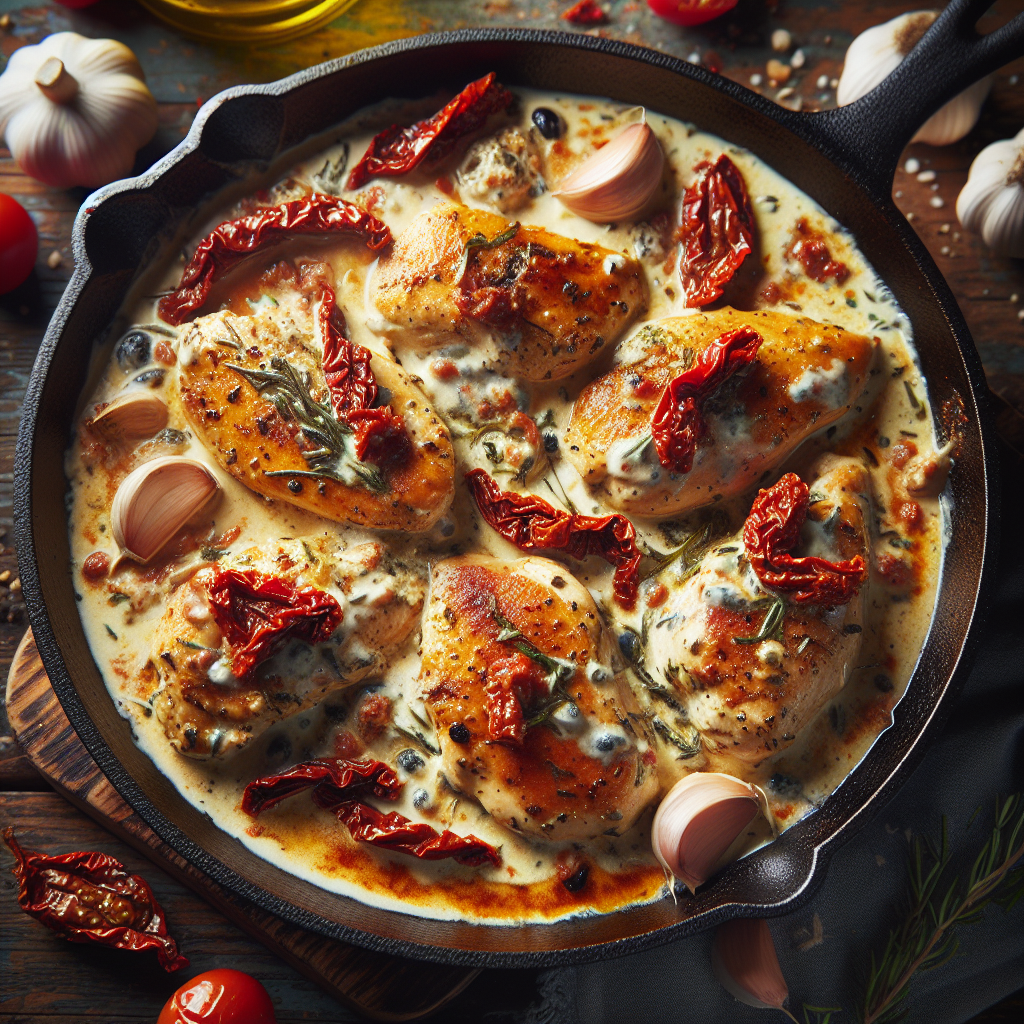
    2) Creamy Tuscan Chicken (Skillet)

    Ingredients: Chicken breasts, olive oil, garlic, sun-dried tomatoes (drained), spinach, chicken broth, heavy cream (or coconut cream), Parmesan.
    Steps: Sear; simmer with broth/cream; wilt spinach; finish with Parm.
    Macros: 6g net • 40g P • 24g F • ~420 kcal

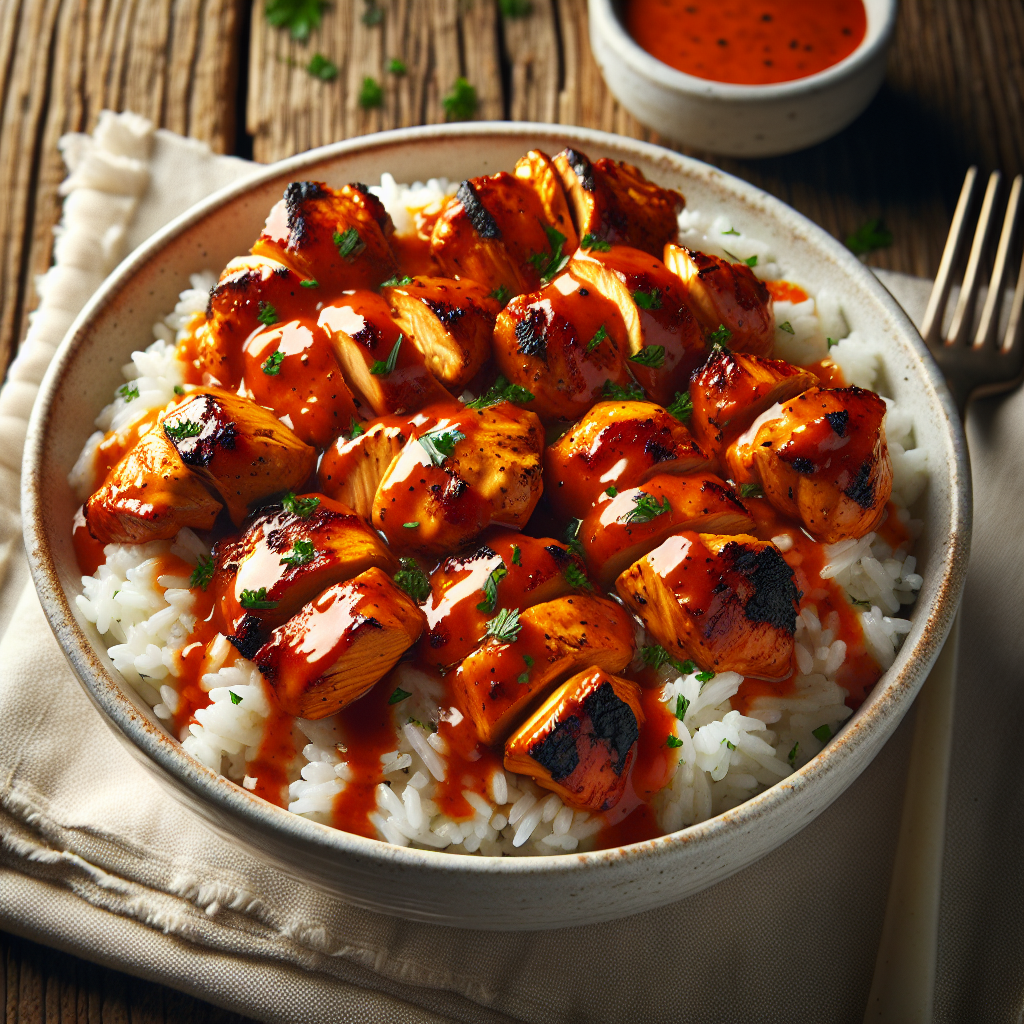
    3) Buffalo Ranch Chicken Bowls (Cauli Rice)

    Ingredients: Shredded cooked chicken, hot sauce + butter, ranch seasoning (no sugar), riced cauliflower, celery, green onion.
    Steps: Warm chicken with buffalo; sauté cauli rice; assemble.
    Macros: 7g net • 36g P • 22g F • ~380 kcal

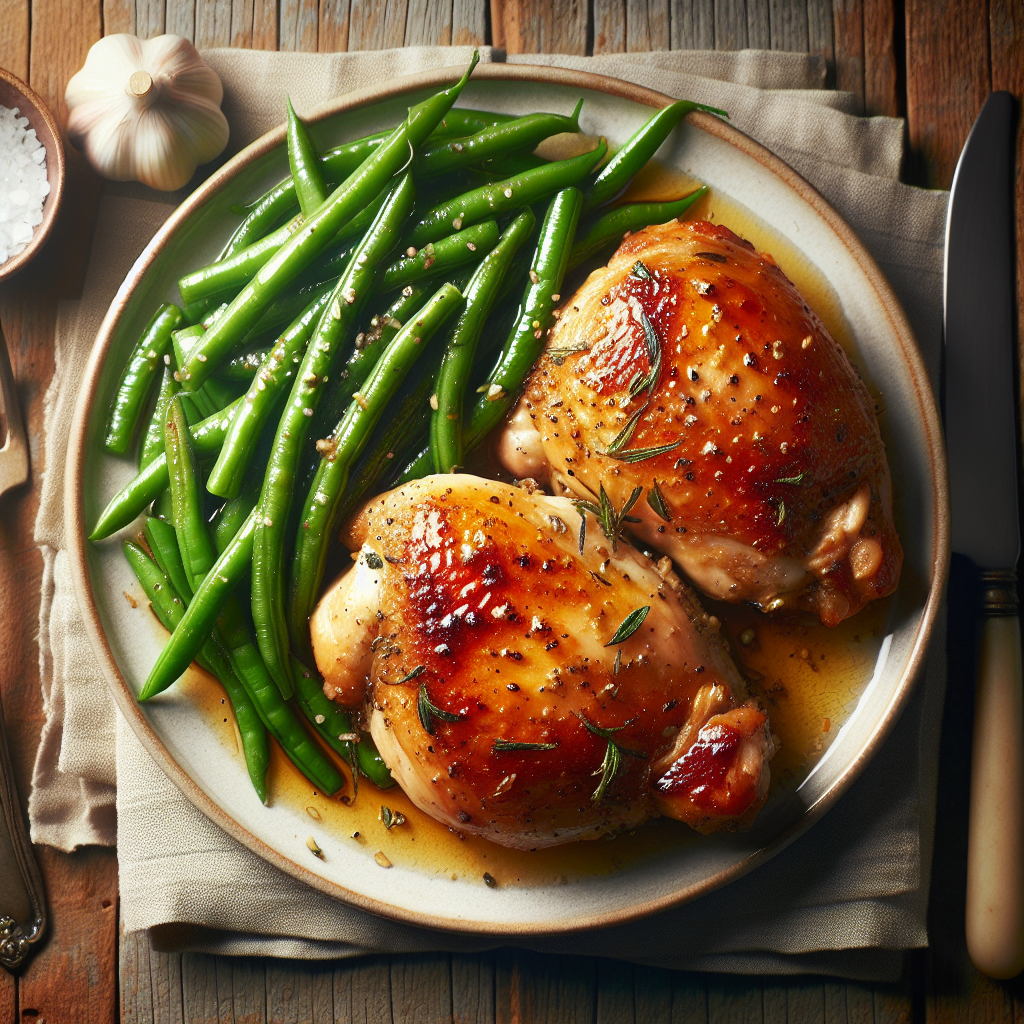
    4) Garlic-Butter Chicken Thighs with Green Beans

    Ingredients: Thighs, butter, garlic, paprika, green beans, lemon.
    Steps: Sear thighs; add beans + butter-garlic; braise to done.
    Macros: 6g net • 33g P • 23g F • ~390 kcal

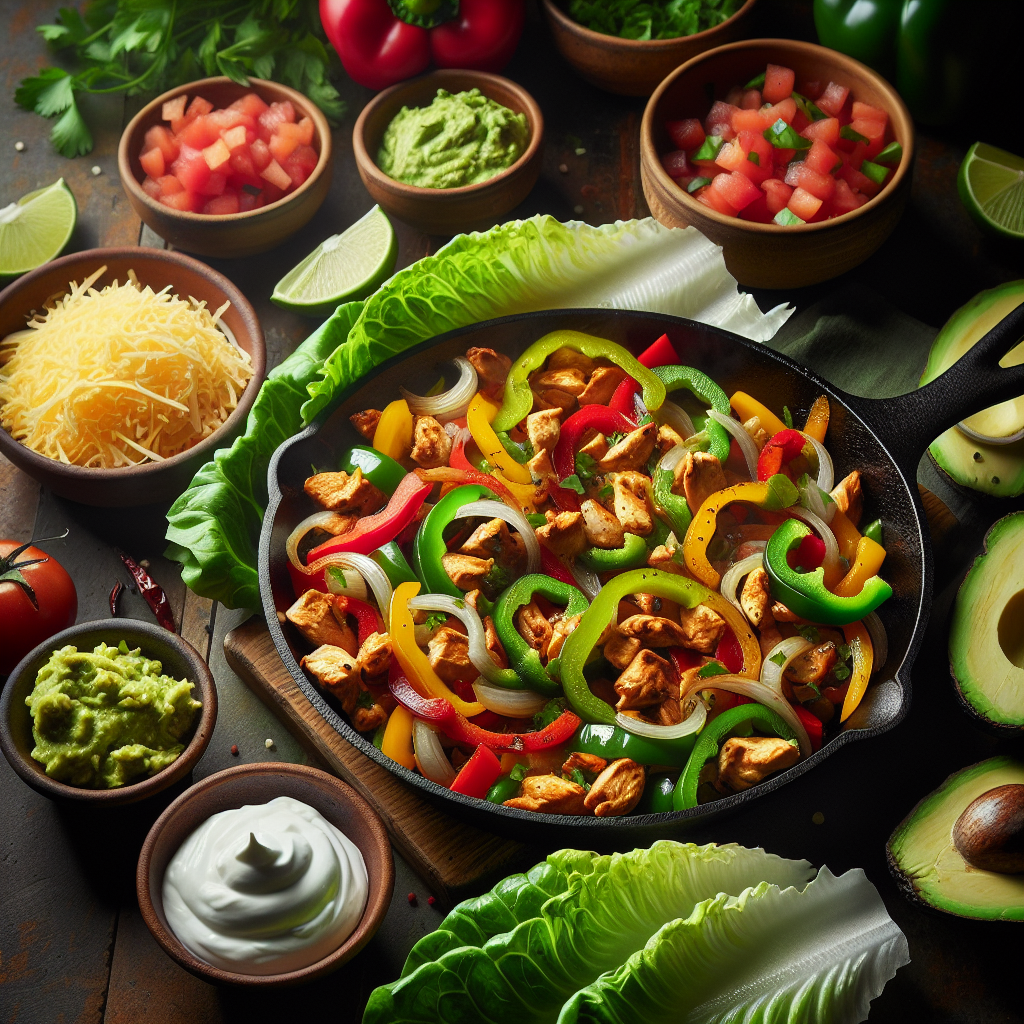
    5) Chicken Fajita Skillet (Lettuce Wraps)

    Ingredients: Chicken strips, bell peppers, onion, fajita spices, avocado oil, romaine leaves, lime.
    Steps: Sear chicken; sauté veg; serve in romaine with lime.
    Macros: 8g net • 35g P • 14g F • ~320 kcal

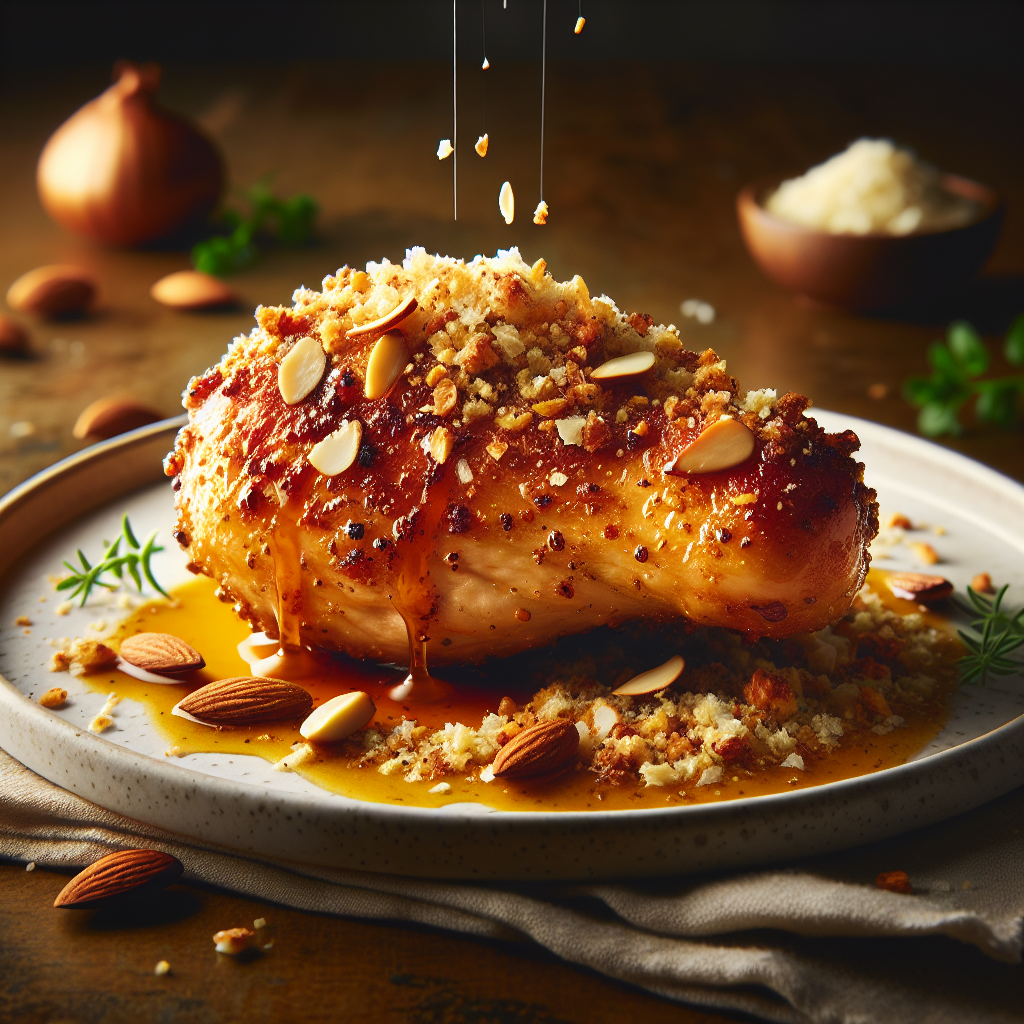
    6) Almond-Parmesan Crusted Chicken

    Ingredients: Chicken cutlets, almond flour, grated Parm, egg, garlic powder, olive oil spray.
    Steps: Dredge; air fry 390°F 10–12 min (flip once).
    Macros: 4g net • 38g P • 17g F • ~340 kcal

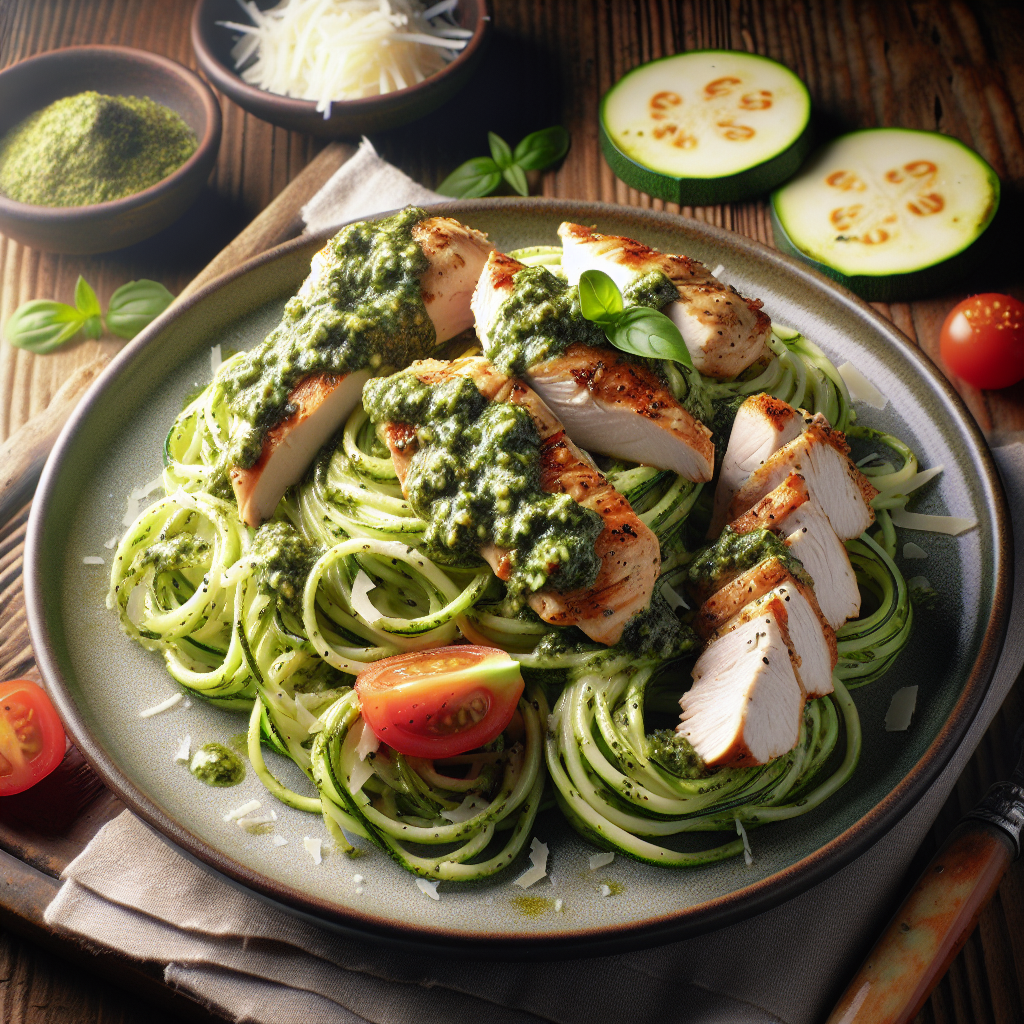
    7) Pesto Chicken with Zoodles

    Ingredients: Chicken tenders, basil pesto (no sugar), zucchini noodles, cherry tomatoes, olive oil.
    Steps: Sear chicken; sauté zoodles; toss with pesto + tomatoes.
    Macros: 6g net • 34g P • 18g F • ~330 kcal

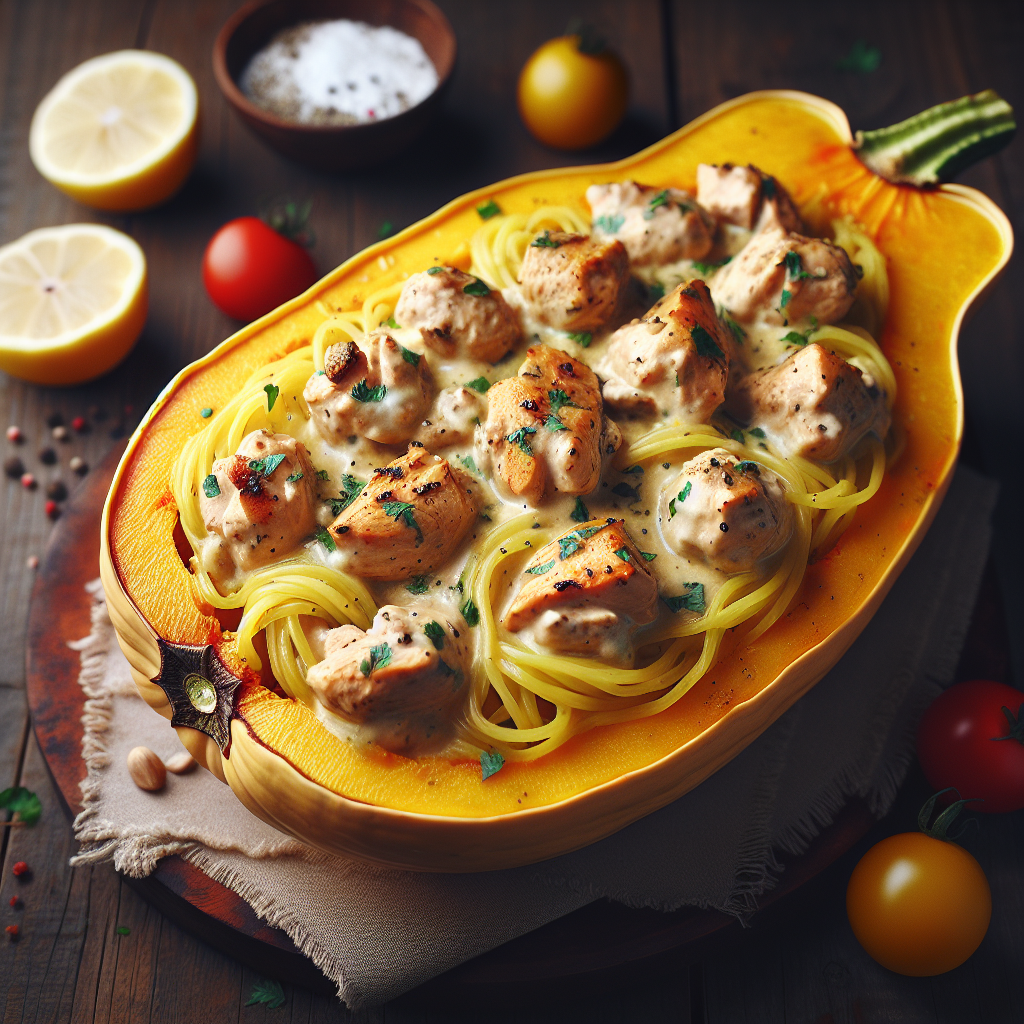
    8) Chicken Alfredo Spaghetti Squash Boats

    Ingredients: Roasted spaghetti squash, shredded chicken, butter, cream, garlic, Parmesan, parsley.
    Steps: Make quick Alfredo; fold in chicken; load into squash.
    Macros: 9g net • 37g P • 25g F • ~430 kcal

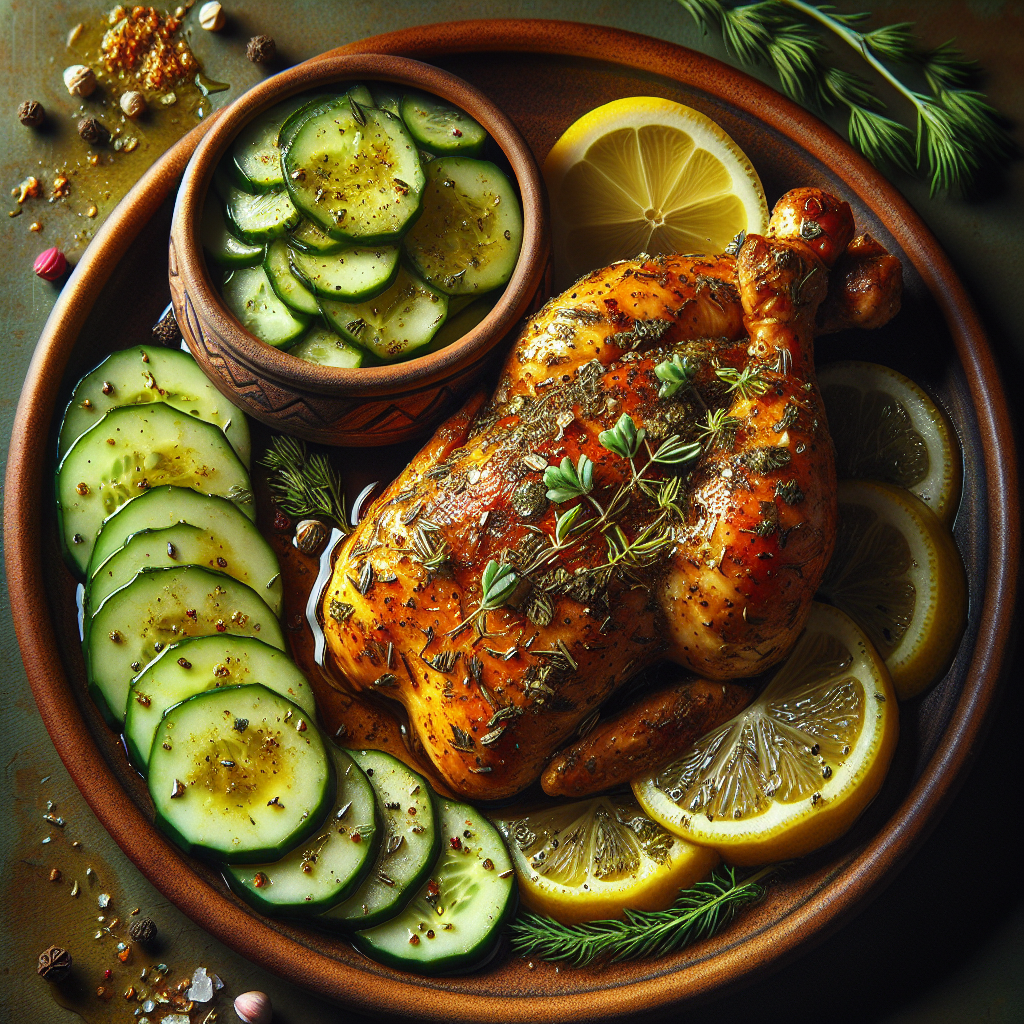
    9) Greek Lemon-Oregano Chicken with Cucumber Salad

    Ingredients: Chicken breasts, olive oil, lemon, oregano, garlic; salad: cucumber, tomato, red onion, feta, olives.
    Steps: Grill/roast chicken; mix salad; plate with extra lemon.
    Macros: 7g net • 41g P • 17g F • ~360 kcal

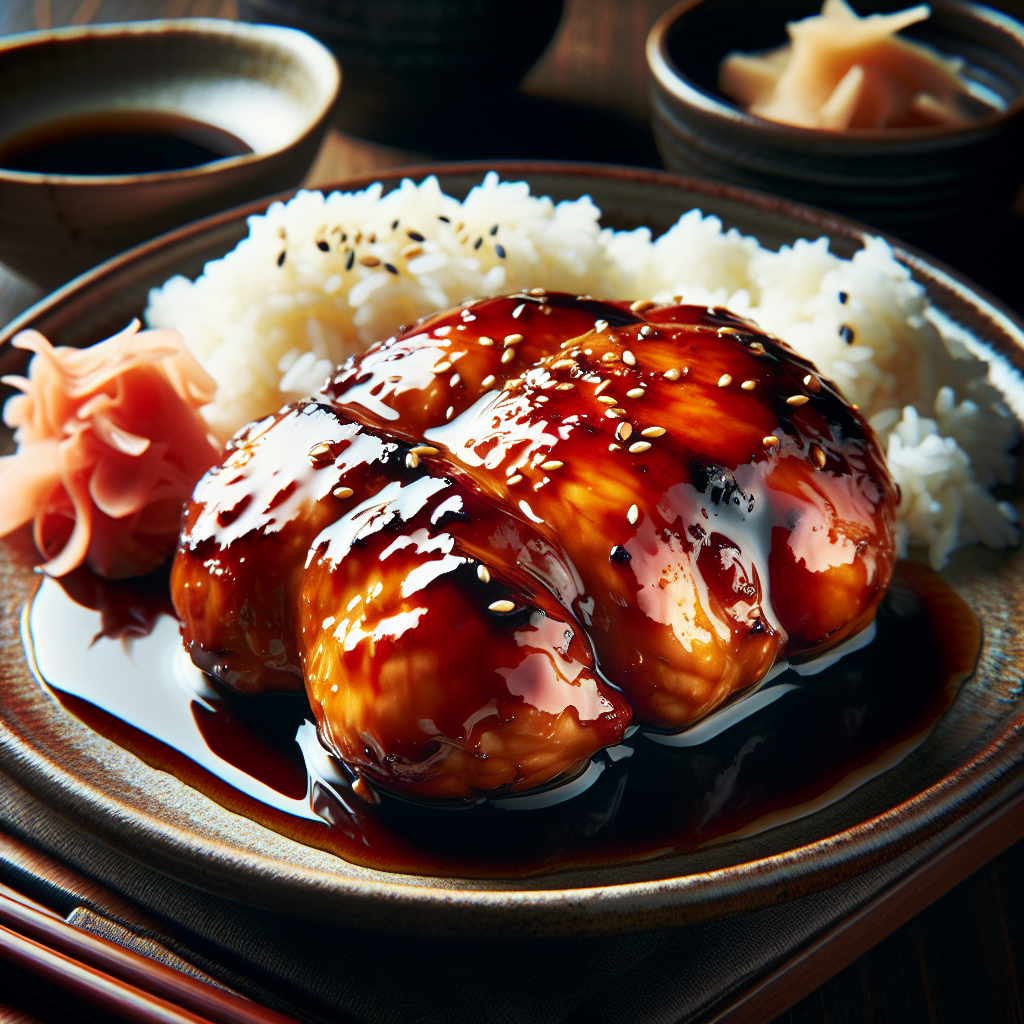
    10) “Teriyaki-ish” Chicken (Coconut Aminos)

    Ingredients: Chicken thighs, coconut aminos, rice vinegar, garlic, ginger, sesame oil; serve over steamed broccoli.
    Steps: Reduce sauce; glaze seared chicken; toss broccoli.
    Macros: 8g net • 32g P • 18g F • ~330 kcal

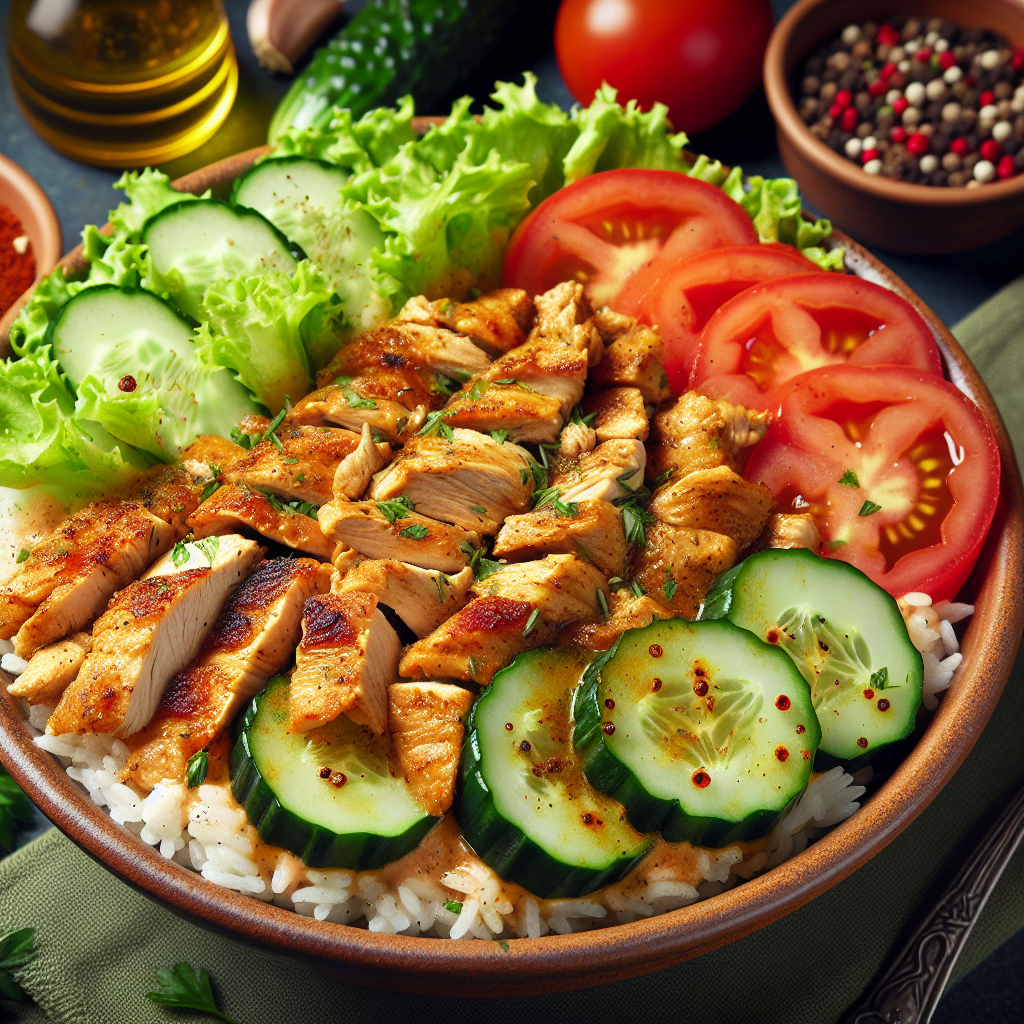
    11) Chicken Shawarma Bowls (Cauli Rice)

    Ingredients: Chicken thigh strips, shawarma spice (cumin, coriander, turmeric), olive oil; cauli rice; tahini-lemon sauce; cucumber.
    Steps: Roast chicken; sauté cauli; drizzle tahini sauce.
    Macros: 7g net • 35g P • 19g F • ~340 kcal

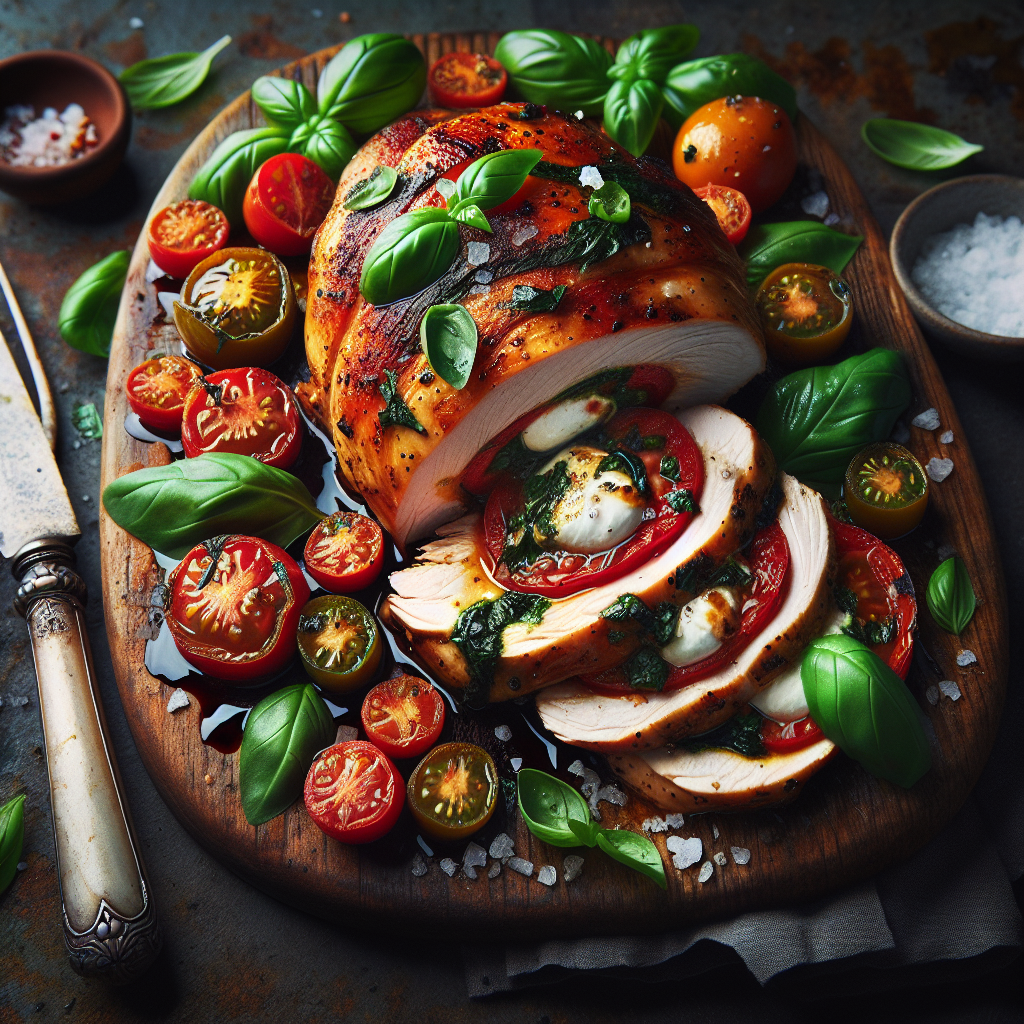
    12) Caprese-Stuffed Chicken

    Ingredients: Chicken breasts, fresh mozzarella, basil, tomato, balsamic vinegar (reduced), olive oil.
    Steps: Stuff; sear; finish in oven; drizzle balsamic.
    Macros: 5g net • 43g P • 17g F • ~360 kcal

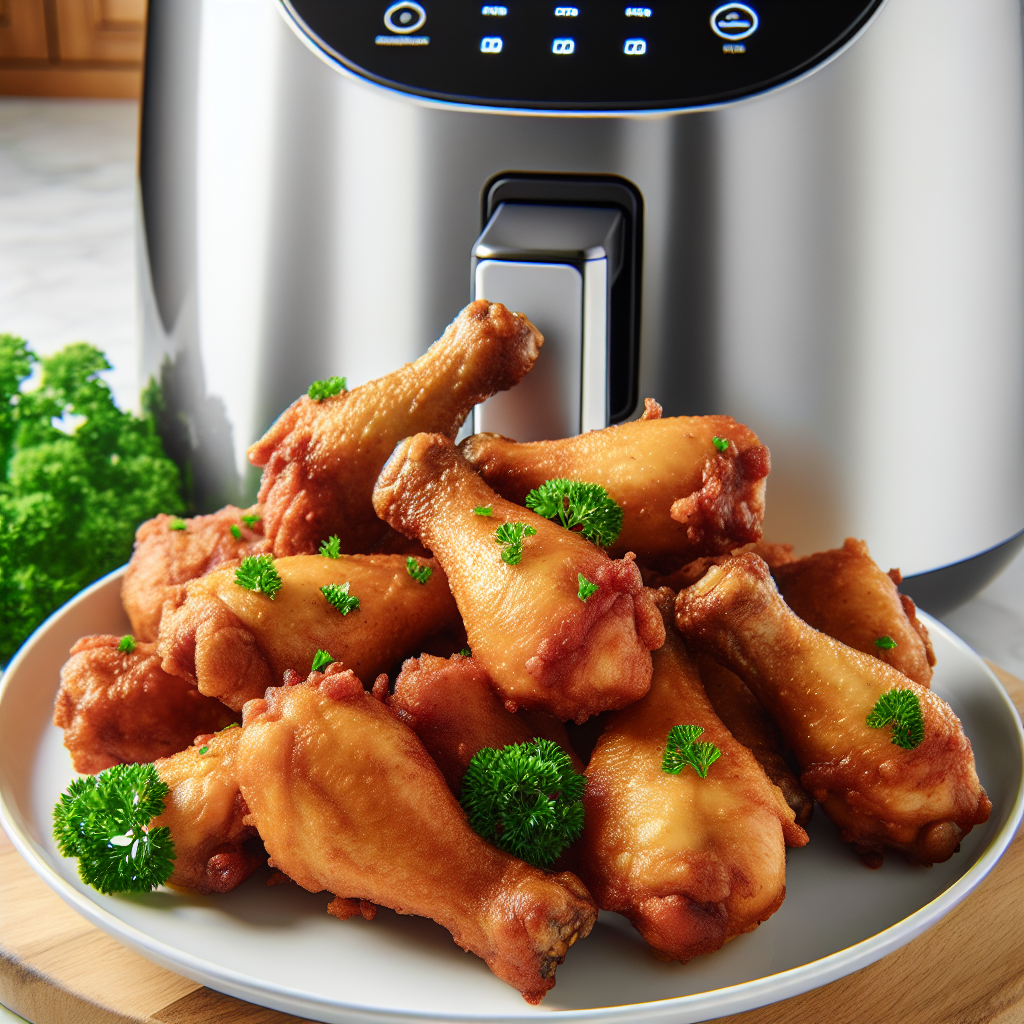
    13) Crispy Air-Fryer Drumsticks

    Ingredients: Drumsticks, baking powder, paprika, garlic powder, salt/pepper, avocado oil spray.
    Steps: Toss; air fry 400°F 22–25 min to 175°F+; rest.
    Macros: 1g net • 30g P • 18g F • ~290 kcal

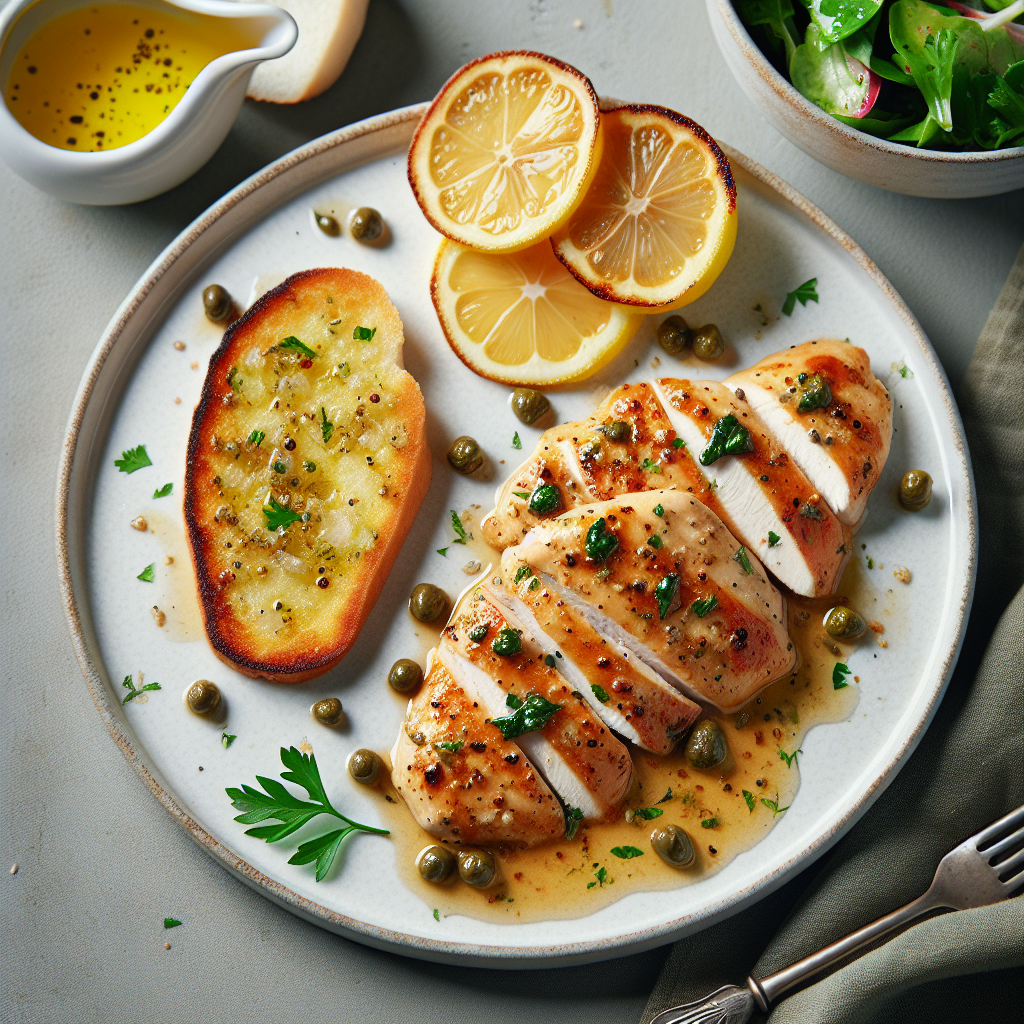
    14) Chicken Piccata (Light)

    Ingredients: Chicken cutlets, almond flour, butter, lemon, capers, chicken broth, parsley.
    Steps: Dredge/sear; deglaze with broth/lemon; add capers.
    Macros: 5g net • 39g P • 16g F • ~330 kcal

    15) BBQ Chicken Lettuce Cups

    Ingredients: Shredded chicken, no-sugar-added BBQ sauce, apple cider vinegar, romaine cups, dill pickles.
    Steps: Warm chicken with BBQ + splash vinegar; fill cups.
    Macros: 7g net • 34g P • 9g F • ~280 kcal

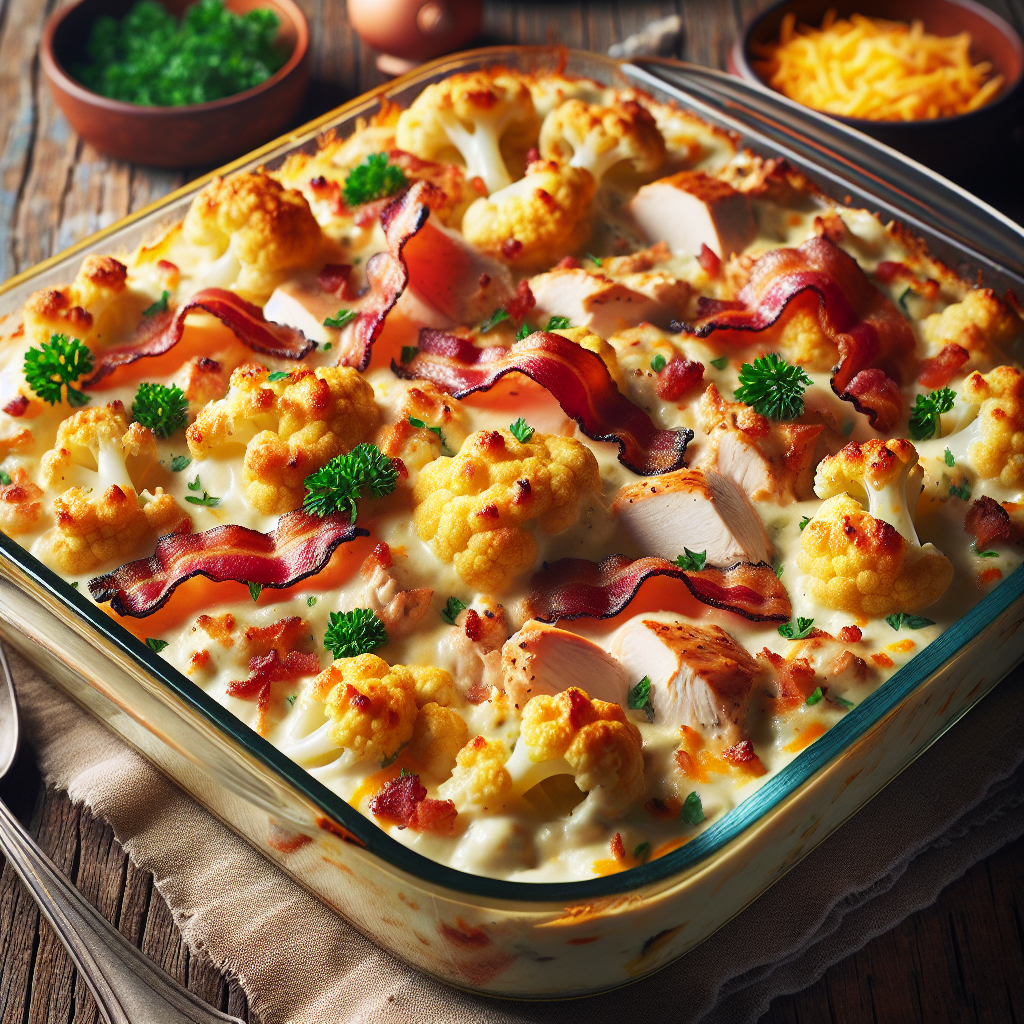
    16) Chicken-Bacon-Ranch Cauli Bake

    Ingredients: Diced chicken, cooked bacon, riced cauliflower, cream cheese, ranch seasoning, cheddar.
    Steps: Stir together; bake 375°F 18–20 min until bubbly.
    Macros: 8g net • 38g P • 28g F • ~460 kcal

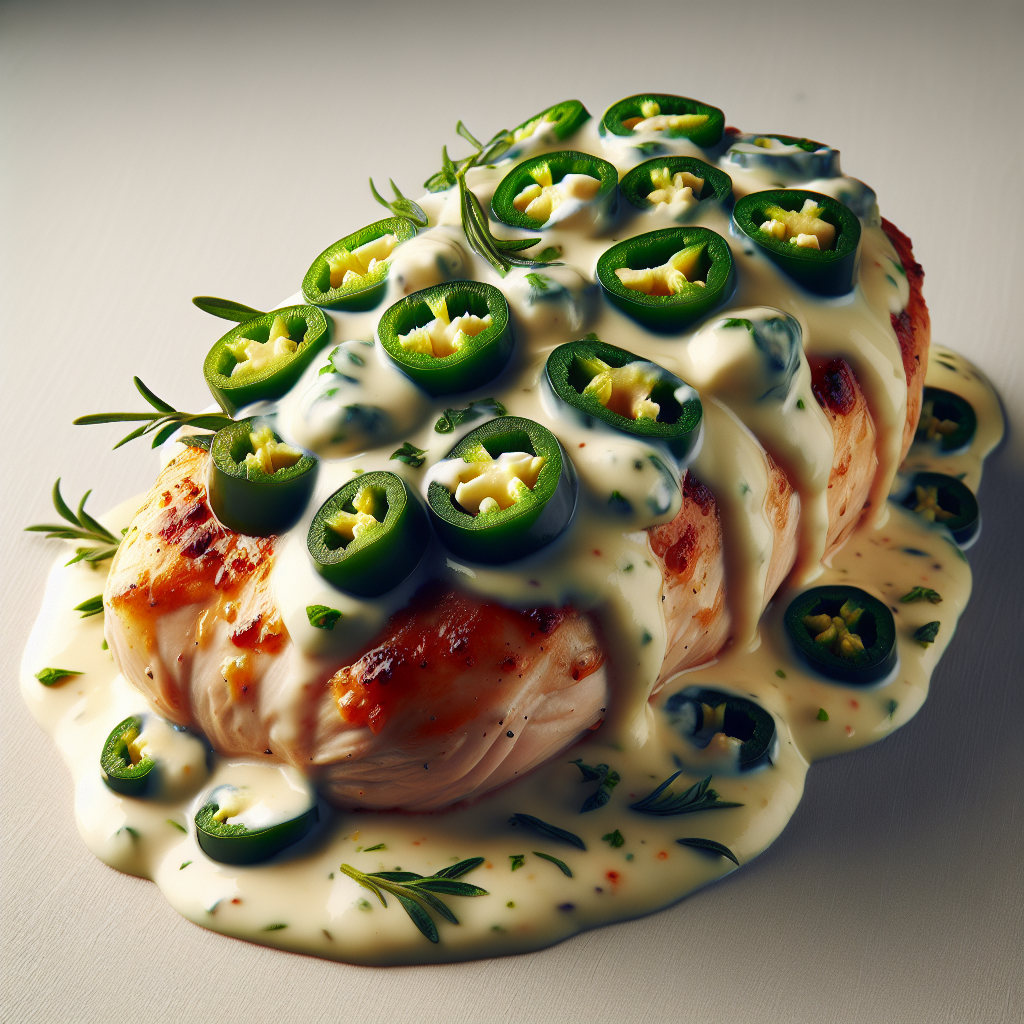
    17) Creamy Jalapeño Popper Chicken

    Ingredients: Chicken breasts, cream cheese, chopped jalapeño, cheddar, garlic, green onion, bacon crumbles.
    Steps: Sear chicken; smear topping; bake to melt.
    Macros: 6g net • 41g P • 27g F • ~450 kcal

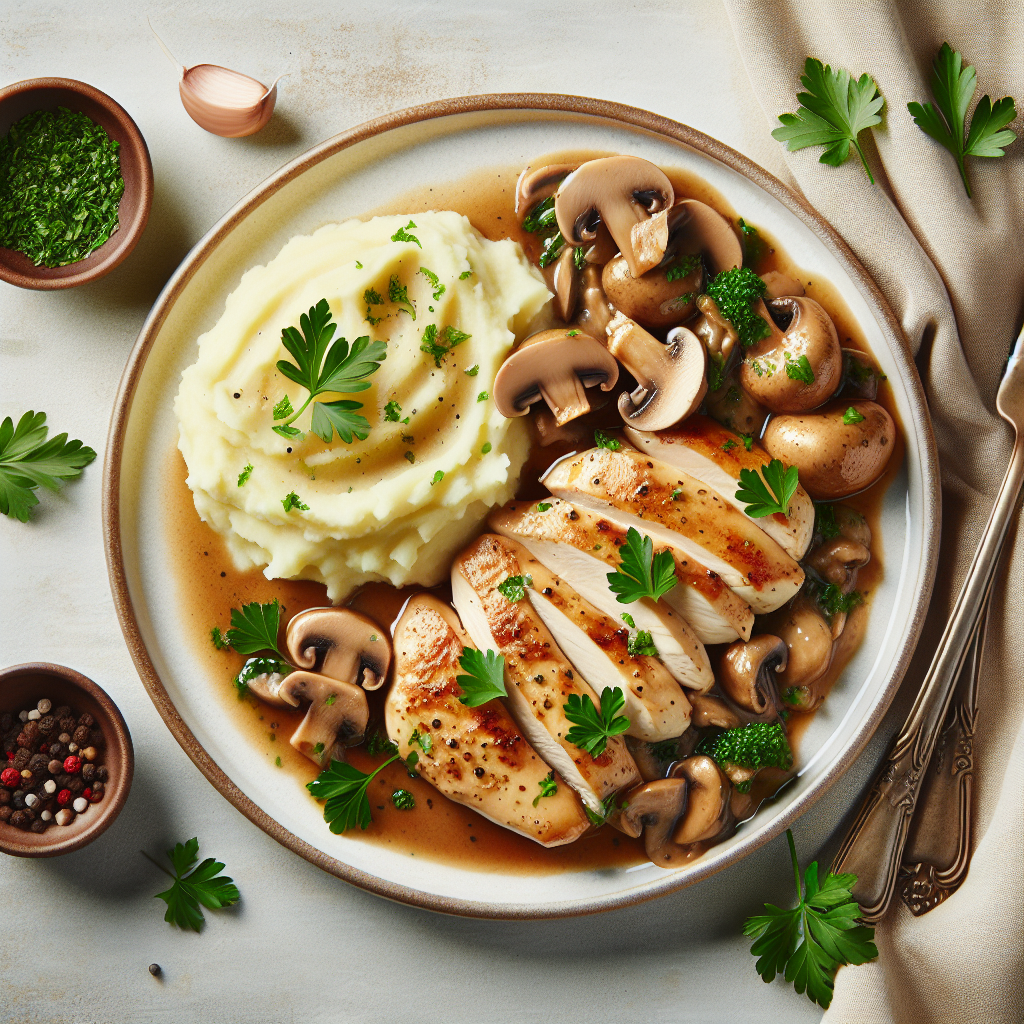
    18) Light Chicken Marsala (No Flour Roux)

    Ingredients: Chicken cutlets, mushrooms, Marsala wine (or dry sherry + broth), butter, thyme; xanthan pinch optional.
    Steps: Sear; sauté mushrooms; reduce wine/broth; coat.
    Macros: 6g net • 40g P • 16g F • ~330 kcal

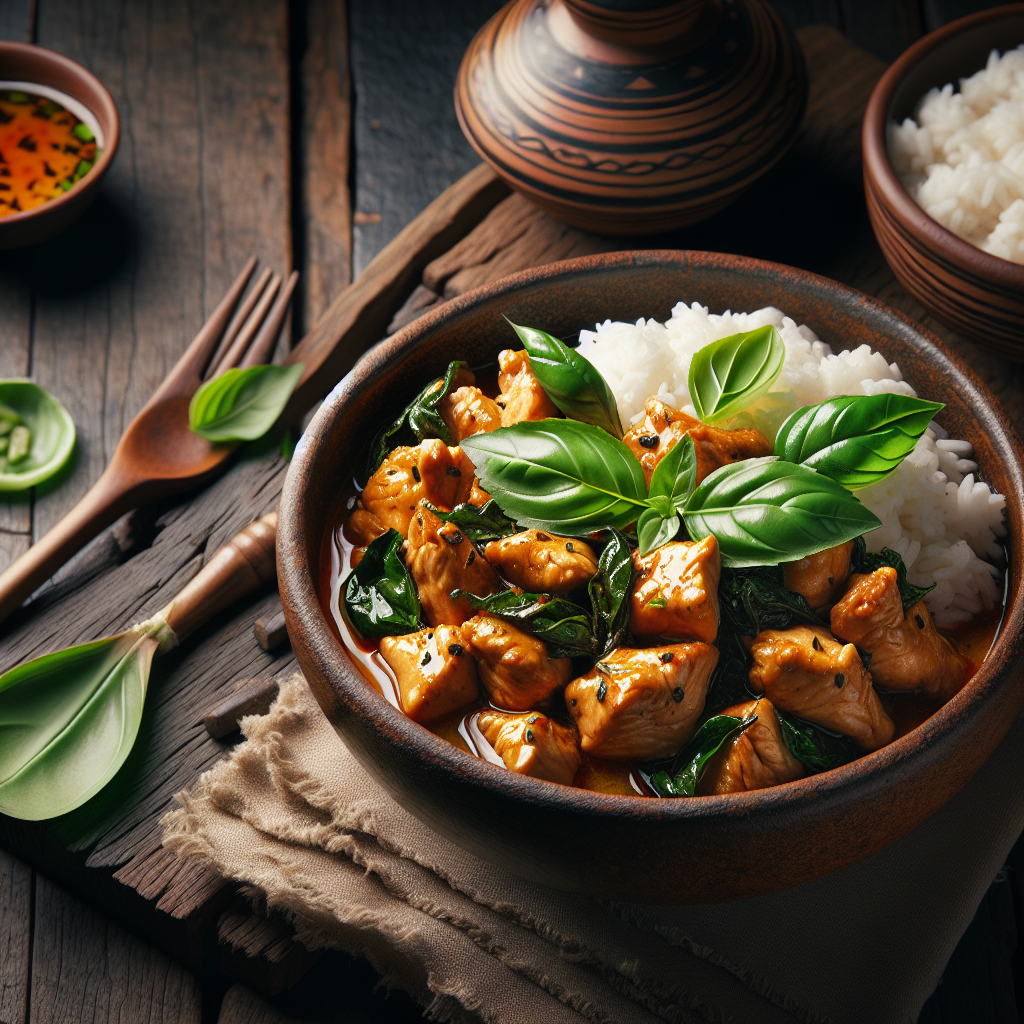
    19) Thai Basil Chicken (Gai Pad Krapow-ish)

    Ingredients: Ground chicken, garlic, chili (to taste), fish sauce, coconut aminos, Thai basil; serve over shredded cabbage.
    Steps: Stir-fry chicken/aromatics; sauce; toss with basil.
    Macros: 7g net • 34g P • 15g F • ~310 kcal

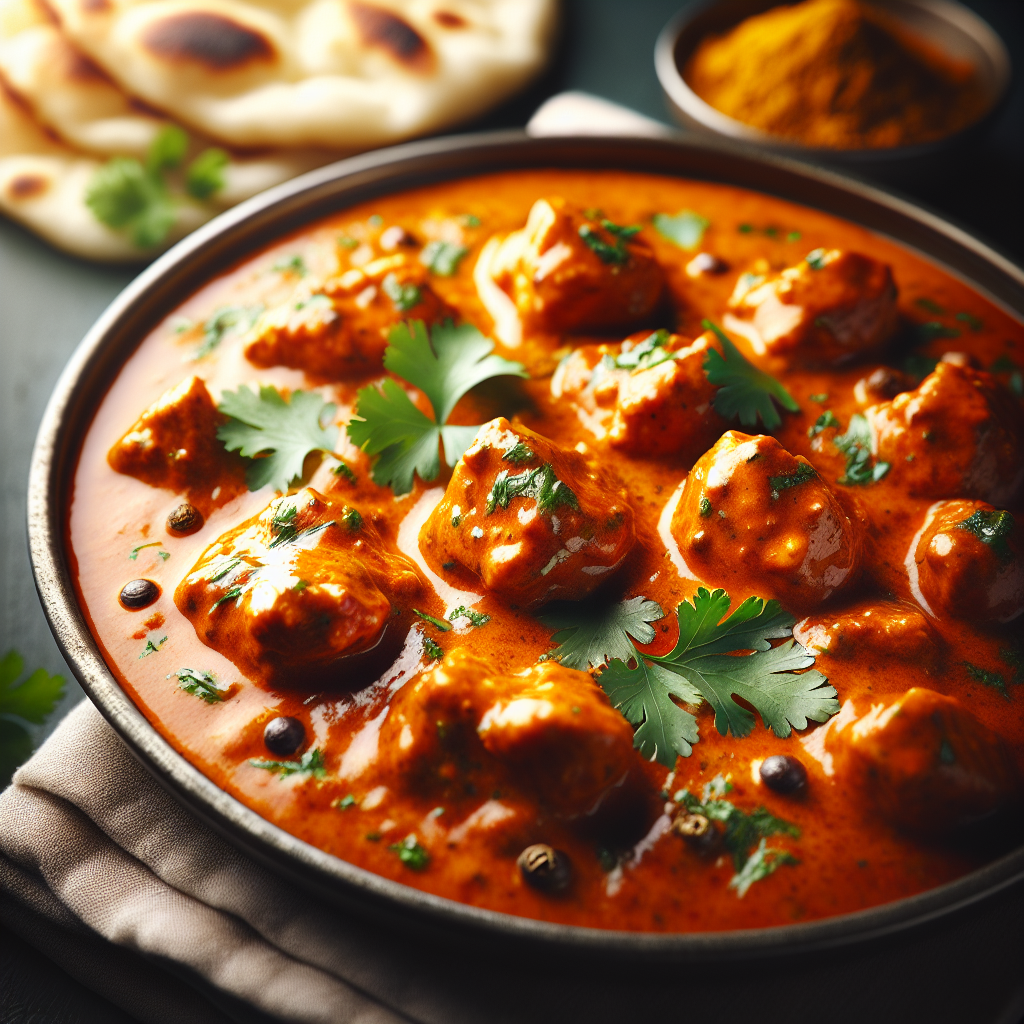
    20) Butter Chicken (Weeknight)

    Ingredients: Chicken thigh chunks, butter/ghee, garam masala, paprika, tomato paste, cream or coconut milk, garlic/ginger.
    Steps: Bloom spices; simmer sauce; add chicken to cook through.
    Macros: 8g net • 33g P • 24g F • ~390 kcal

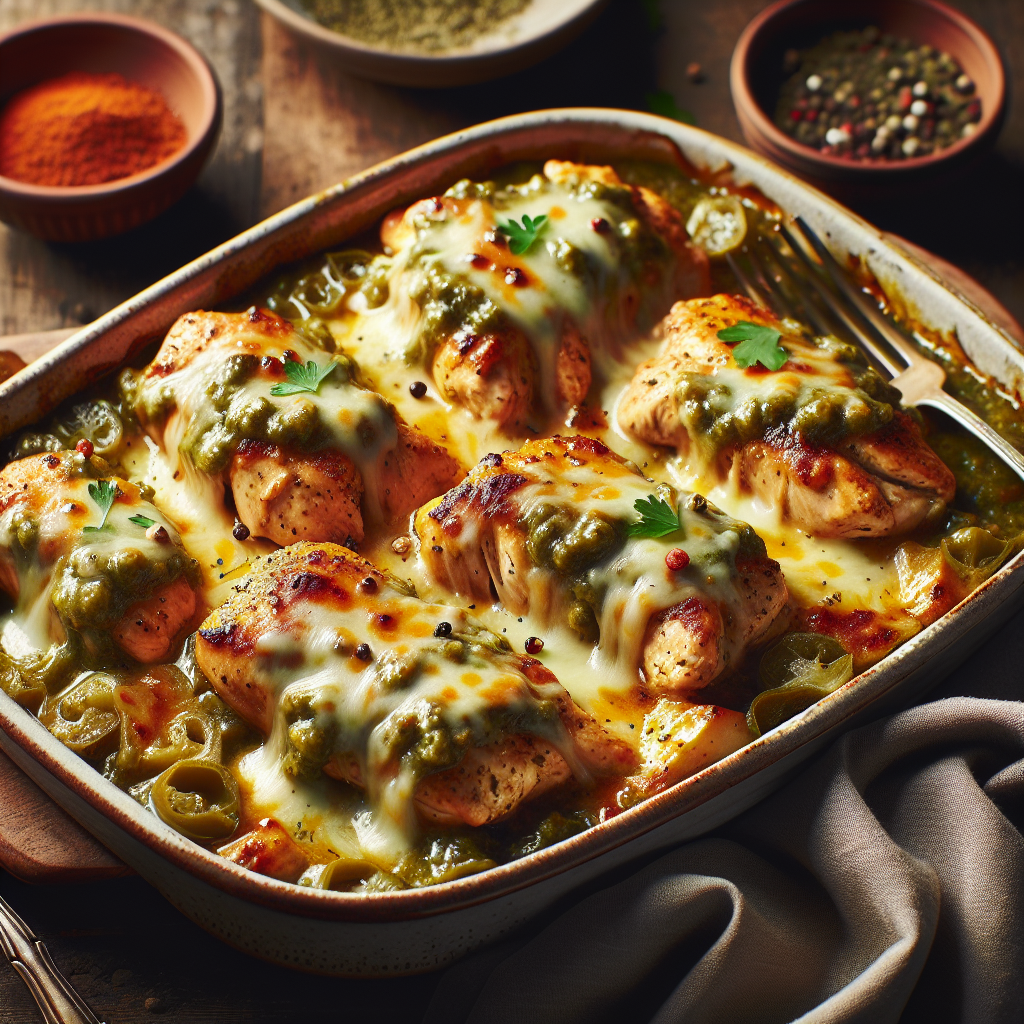
    21) Salsa Verde Chicken Bake

    Ingredients: Chicken breasts, jarred salsa verde (no sugar), cumin, Monterey Jack or queso fresco, cilantro.
    Steps: Pour salsa over chicken; bake 375°F 22–25 min; cheese last 5.
    Macros: 4g net • 42g P • 12g F • ~320 kcal

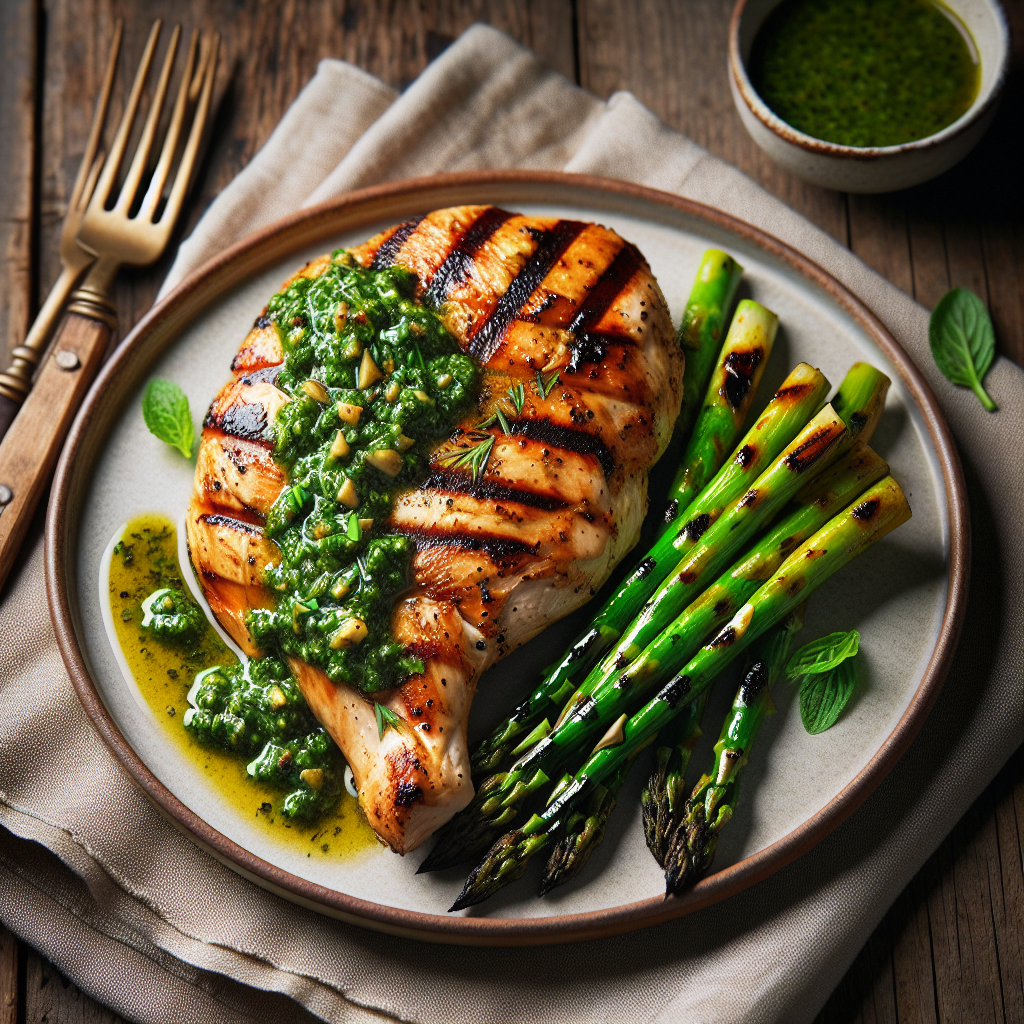
    22) Grilled Chicken with Chimichurri & Asparagus

    Ingredients: Chicken breasts, olive oil, salt/pepper; chimichurri (parsley, garlic, red wine vinegar, oil); asparagus.
    Steps: Grill chicken/asparagus; spoon chimichurri.
    Macros: 5g net • 44g P • 14g F • ~330 kcal

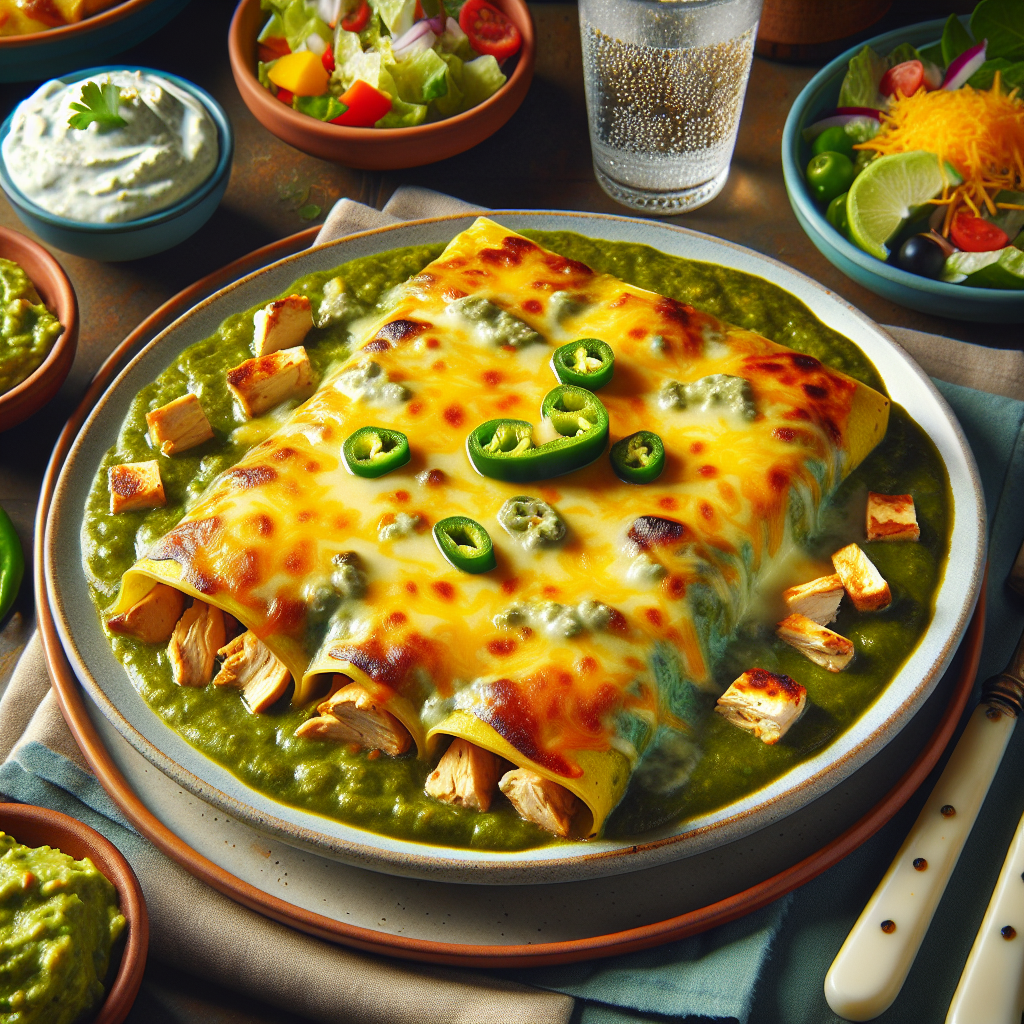
    23) Green-Chile Chicken Enchilada Bake (LC Tortillas)

    Ingredients: Shredded chicken, canned green chiles, cream cheese, green enchilada sauce (low sugar), low-carb tortillas, cheddar.
    Steps: Layer; bake 375°F 20 min; rest 5.
    Macros: 9g net • 39g P • 23g F • ~430 kcal

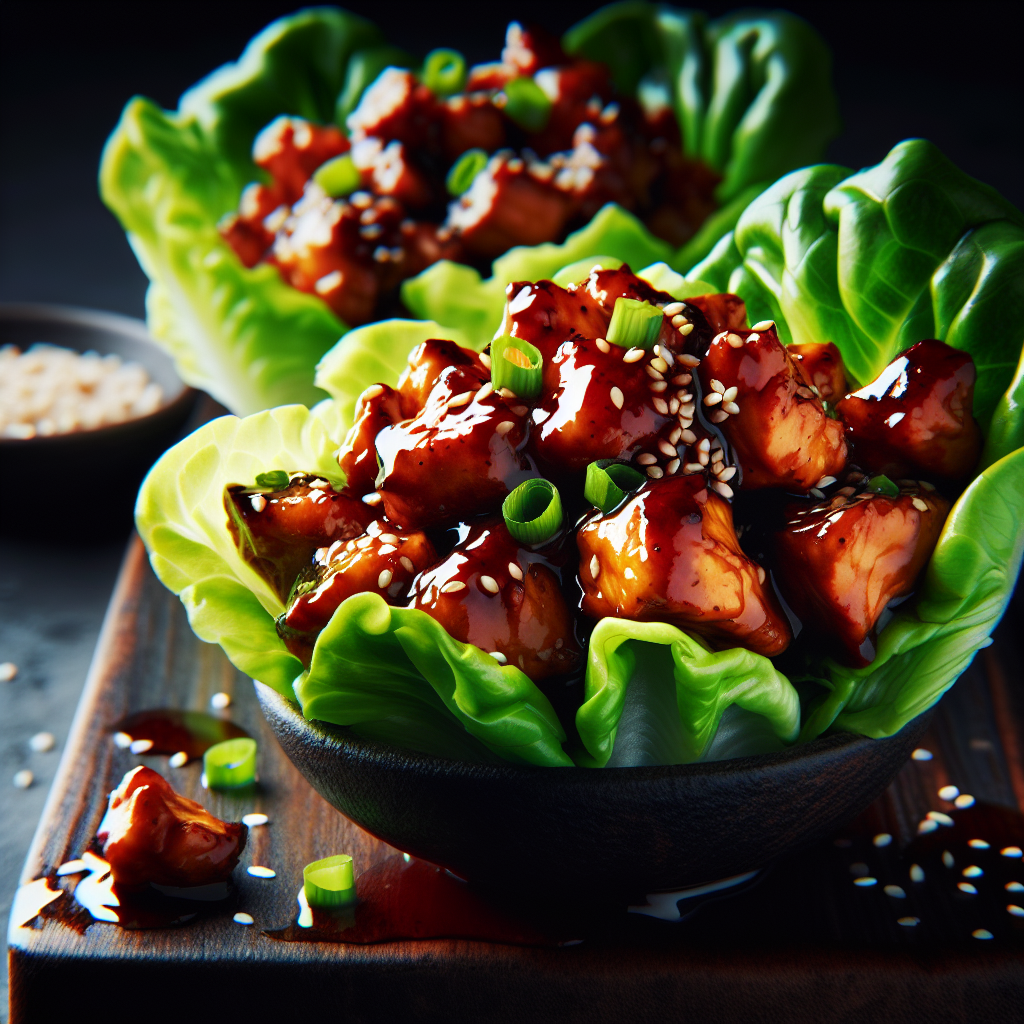
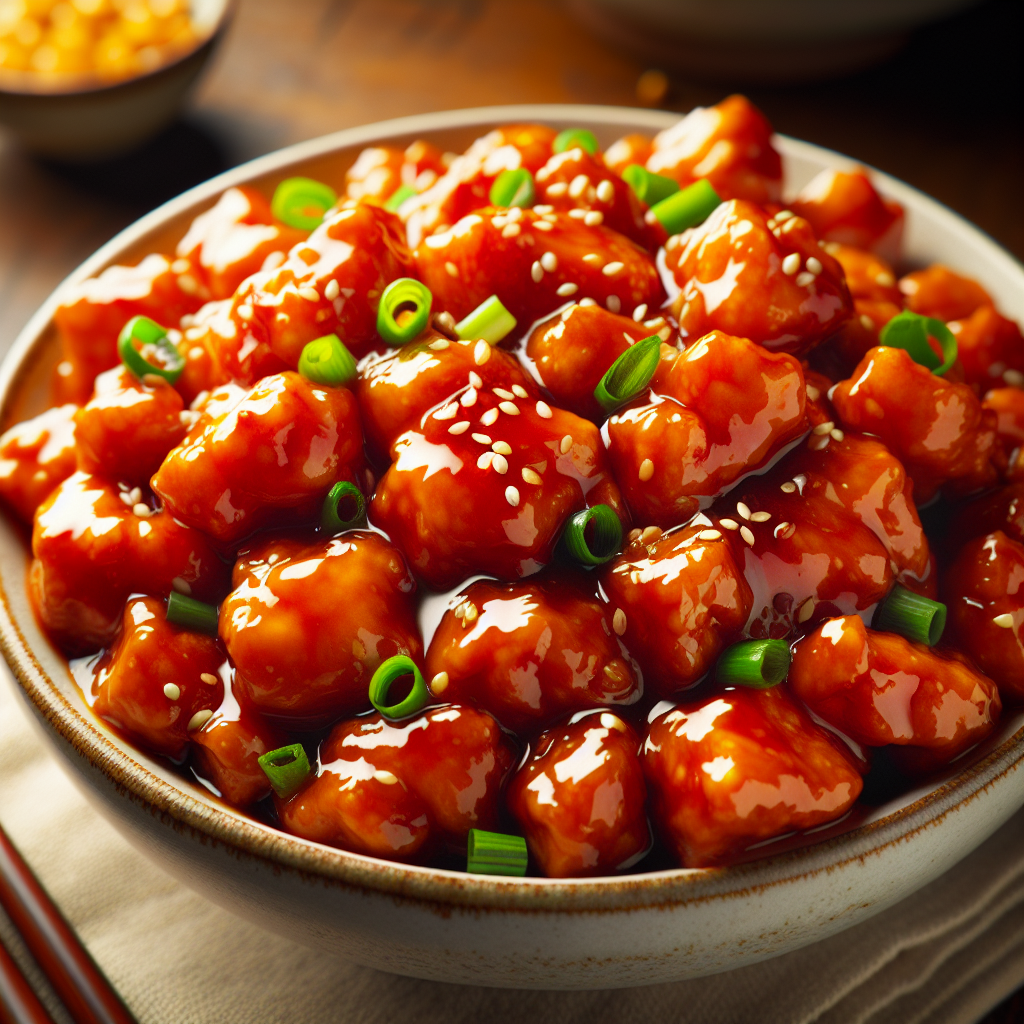
    24) “Orange” Chicken (Citrus & Zest, No Sugar)

    Ingredients: Chicken chunks, orange zest + a little juice, ginger/garlic, coconut aminos, apple cider vinegar, sesame seeds; cauli rice.
    Steps: Sear chicken; reduce sauce; toss; serve over cauli.
    Macros: 8g net • 35g P • 14g F • ~320 kcal

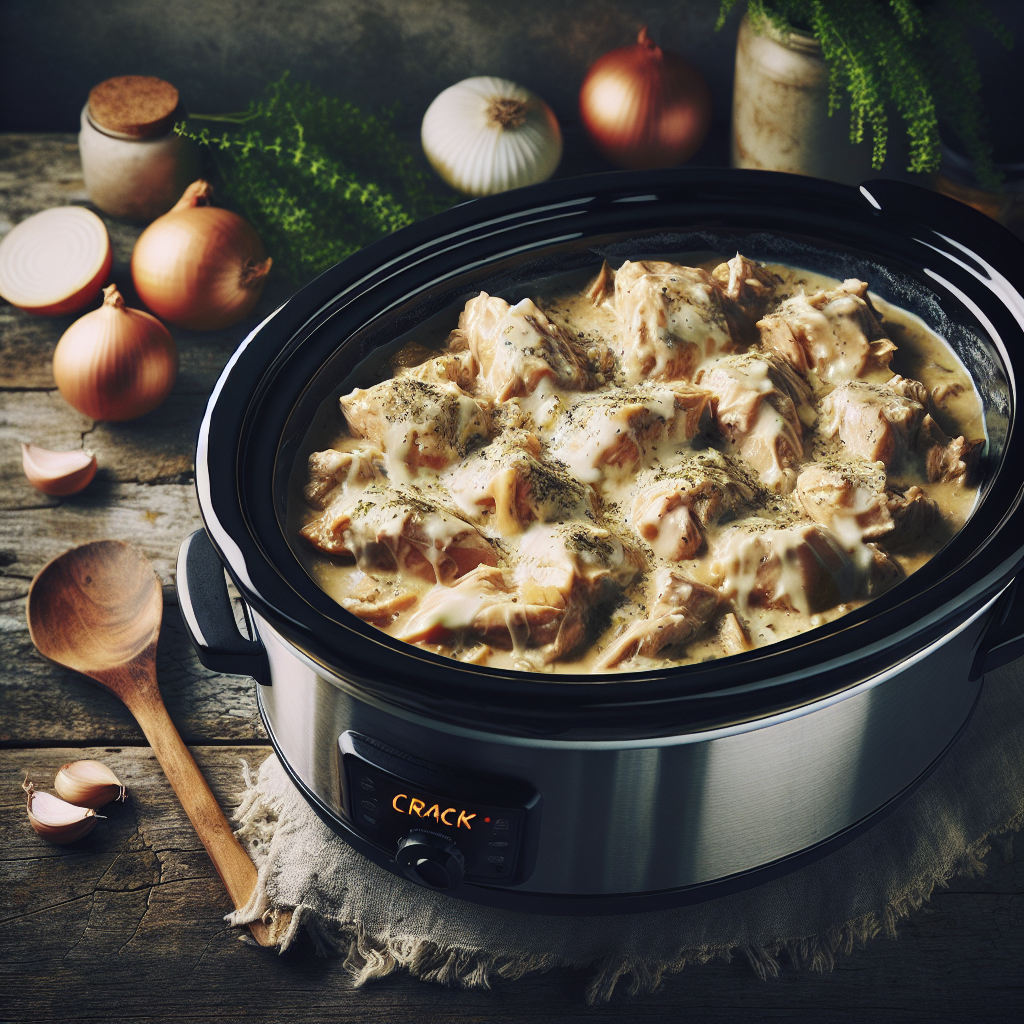
    25) Slow-Cooker “Crack” Chicken (Lightened)

    Ingredients: Chicken breasts, ranch seasoning, light cream cheese, a little Greek yogurt, bacon, green onion.
    Steps: Slow-cook 3–4h on High; shred; stir in yogurt; top bacon.
    Macros: 6g net • 43g P • 20g F • ~380 kcal


    Download the Book – 80 Diabetic/Keto-Friendly Chicken Recipes

    Buy me a coffee!